Schweiz · Walliser Alpen
A Valley at Standstill
Issue 2024 · Words: Mattias Fredriksson · Photos: Mattias Fredriksson · 4 min read
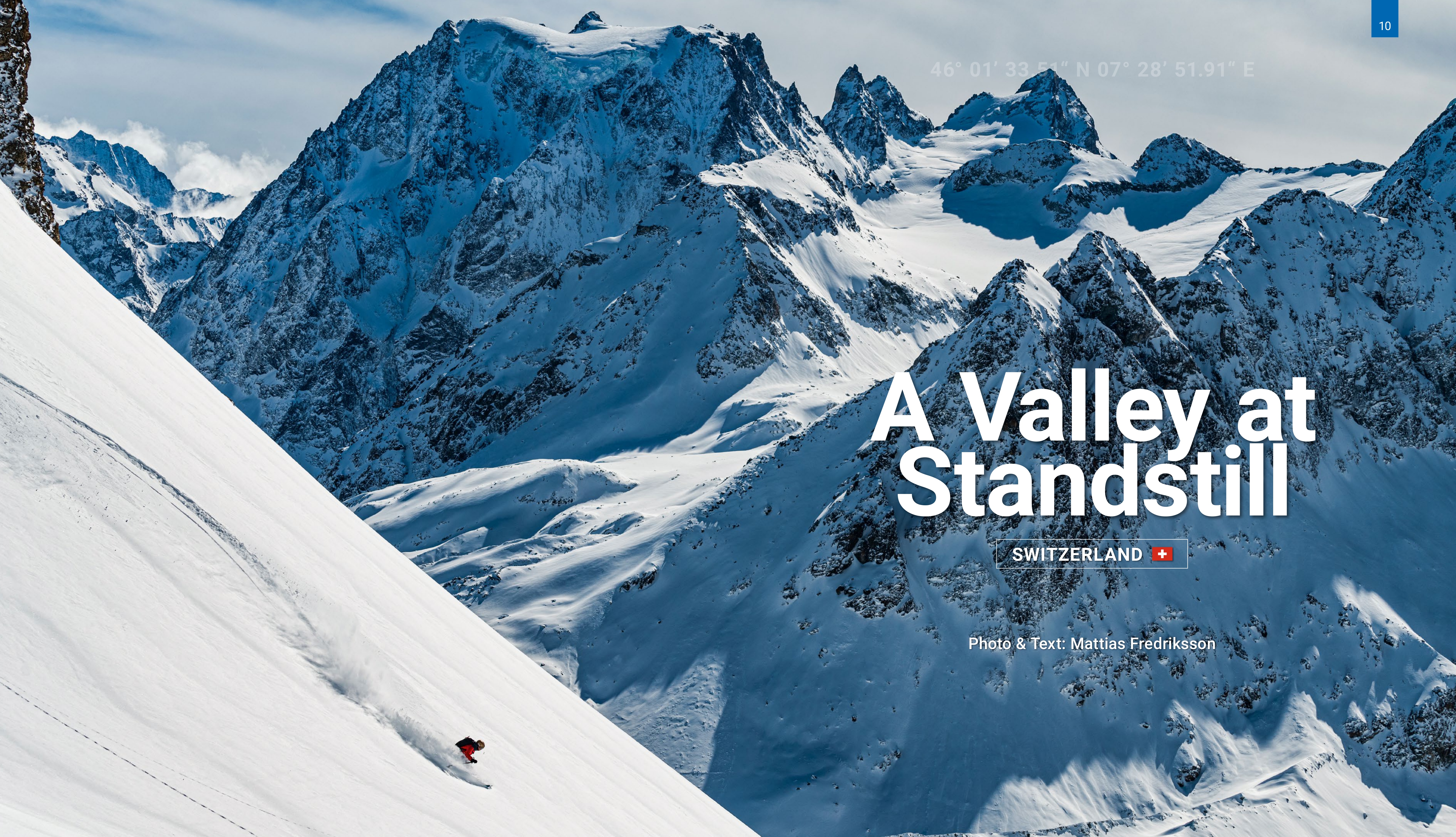
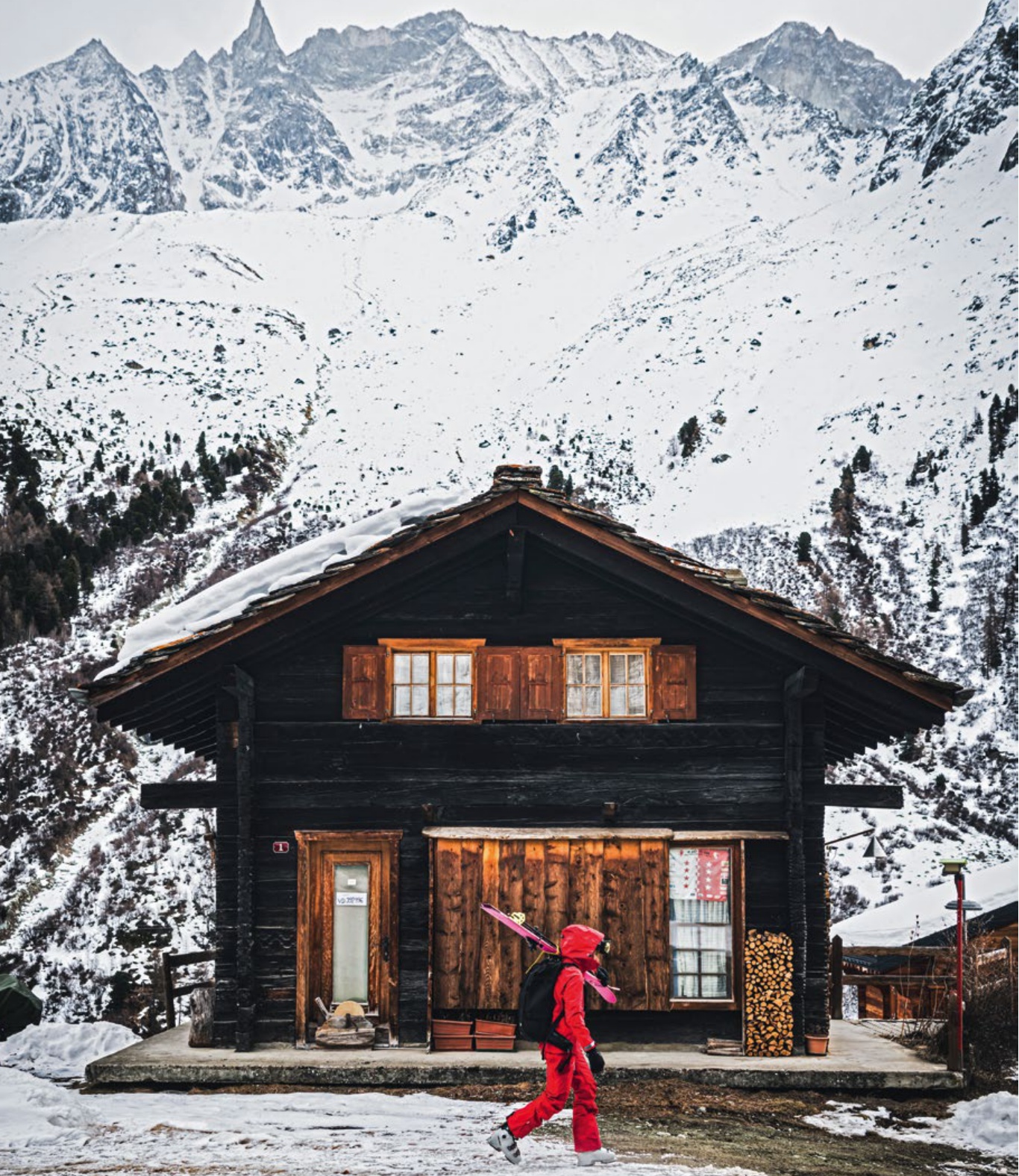
Driving into the Val d’Hérens valley in Switzerland’s Valais canton, towering mountains wall off either side of the winding road. Traditional wooden chalets dominate the small villages, and the further you go, the more sparsely built it becomes. 25 miles into the spectacular valley, time stops. …
Driving into the Val d’Hérens valley in Switzerland’s Valais canton, towering mountains wall off either side of the winding road. Traditional wooden chalets dominate the small villages, and the further you go, the more sparsely built it becomes. 25 miles into the spectacular valley, time stops. While Verbier and Zermatt, just a few valleys away, bustle with modern attractions, Arolla remains rustic, cozy, and sleepy.
At the end of the road, the tiny town is a hamlet of houses with less than 100 inhabitants. It has a handful of old hotels, a couple of restaurants, a family-owned corner store, an outdoor store, and some ancient surface lifts that take you partway up the big mountains. The pace here is ... slow. With a base area of 6,560 feet, Arolla is one of the highest-located ski areas in Europe. Dozens of 10,000 to 13,000-foot peaks and some of the best backcountry access in the Alps surround the small resort. Even better, this off-the-radar location has preserved an authentic and raw ski culture devoid of big crowds.
While massive corporations control the most successful ski destinations globally, small independent ski hills need help balancing the books, and places like Arolla are disappearing rapidly.
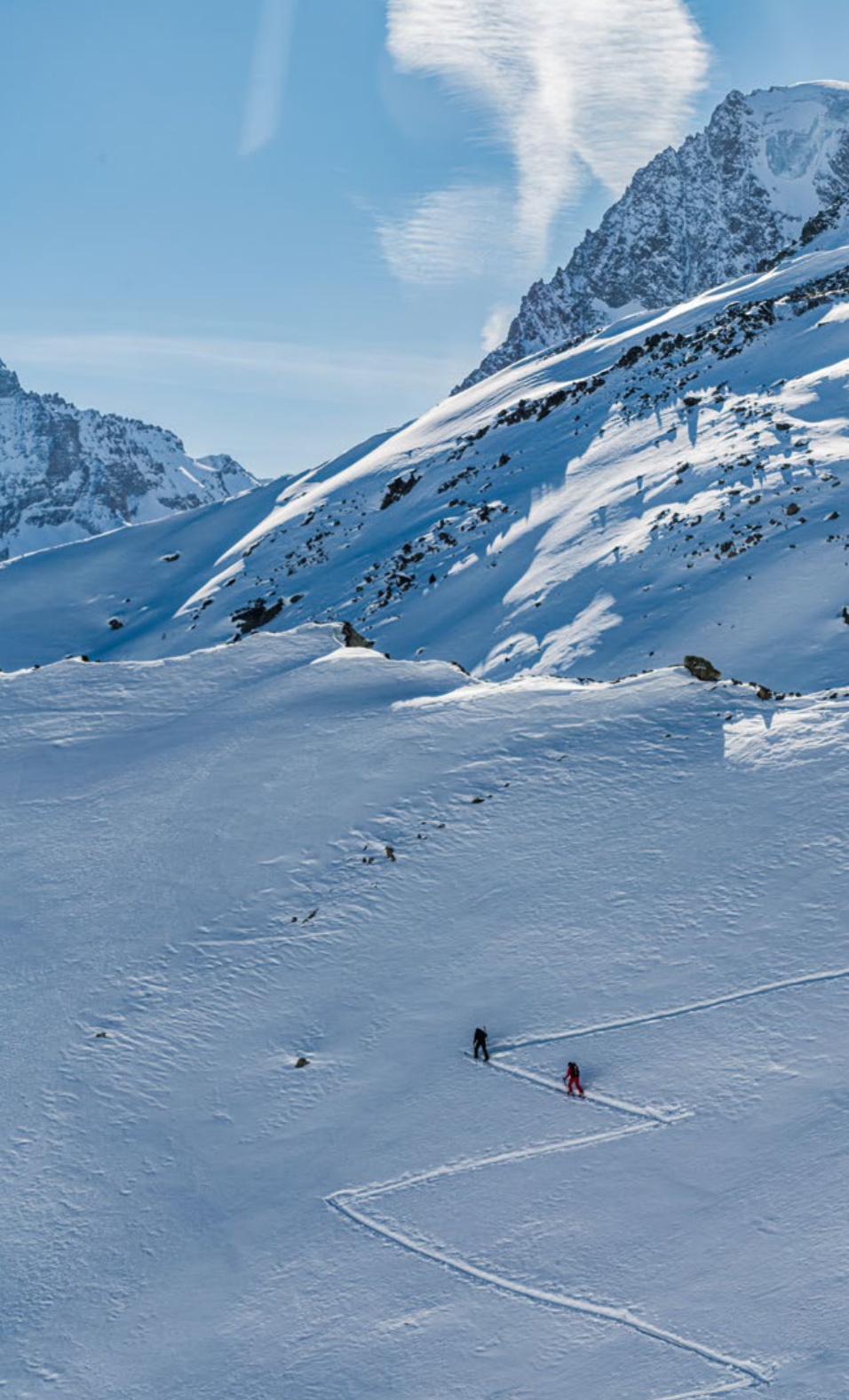
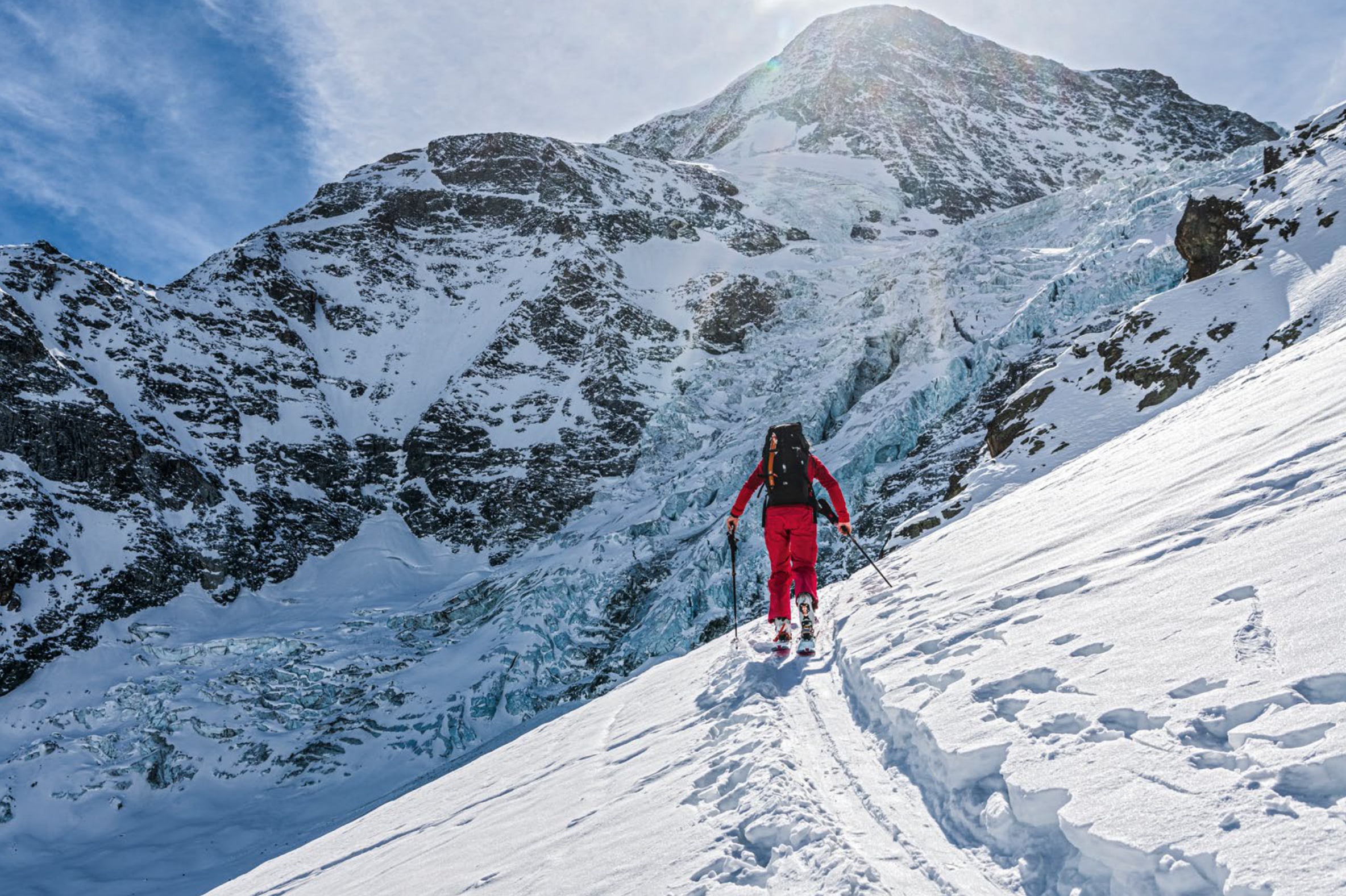
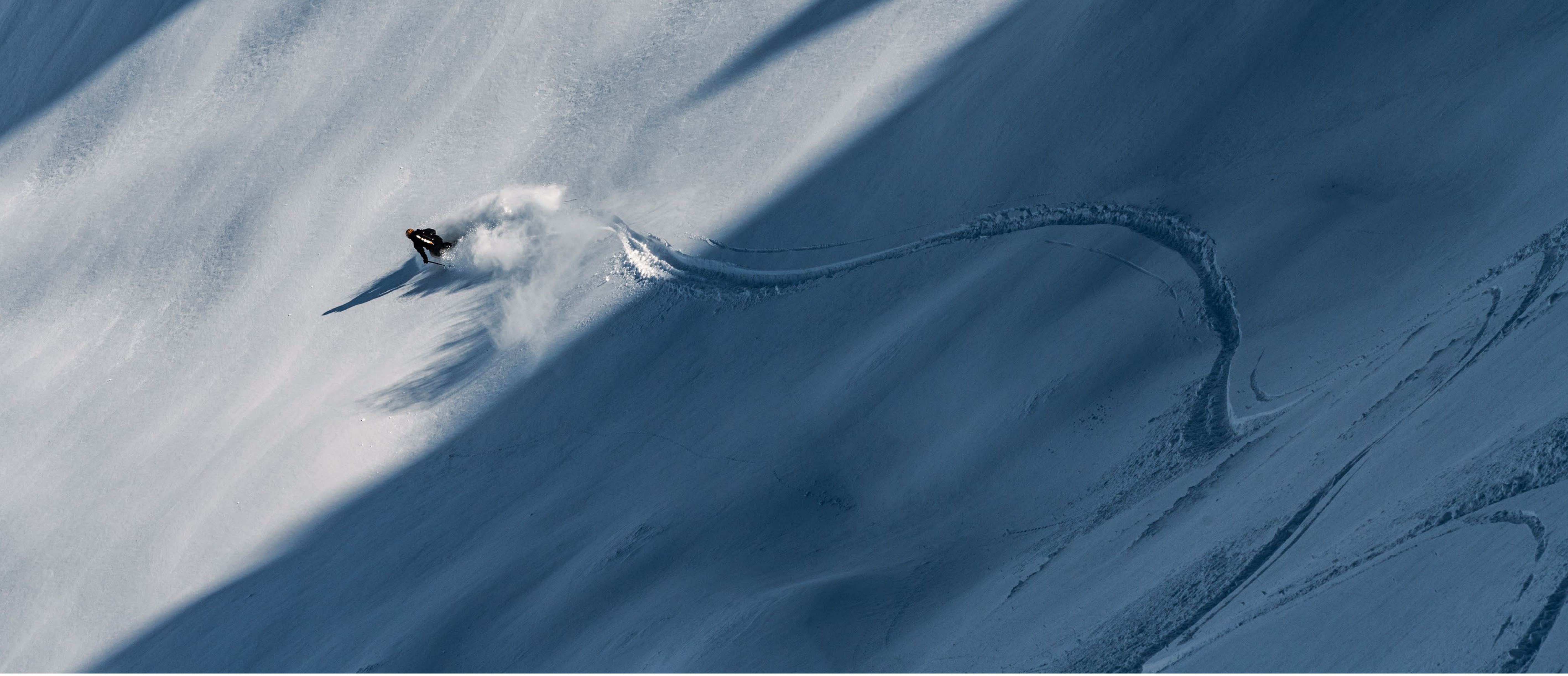
Deep in the valley and surrounded by glaciers, Arolla sits in a spectacular setting. The old Poma lifts, within walking distance from the quiet village center, are steep ladders to a vast backcountry starting 3,280 feet higher. With skins, the terrain offers some of the most exciting skiing in the Alps. The many couloirs, off-piste runs and faces up to 50 degrees, accessible via lifts and leg power, place Arolla on par with legendary spots like France’s La Grave and Italy’s Alagna. But Arolla also offers less intimidating terrain than these destinations as well as several ski-touring huts, with wardens and great food, accessible within a few hours of skinning from the ski area. This draws skiers of varying ability levels.
One hut, Cabane des Vignettes, south of the village at Pigne d’Arolla (12,422 feet), is a favorite for its cliffside location with breathtaking views and its reputation for serving the Alps’ largest portions of rösti. The hut lies along the 124-mile Haute Route between Chamonix and Zermatt. Some claim the most stunning part of this historic route is between Arolla and Zermatt, which is why some guides offer this shorter route as part of their lineup.
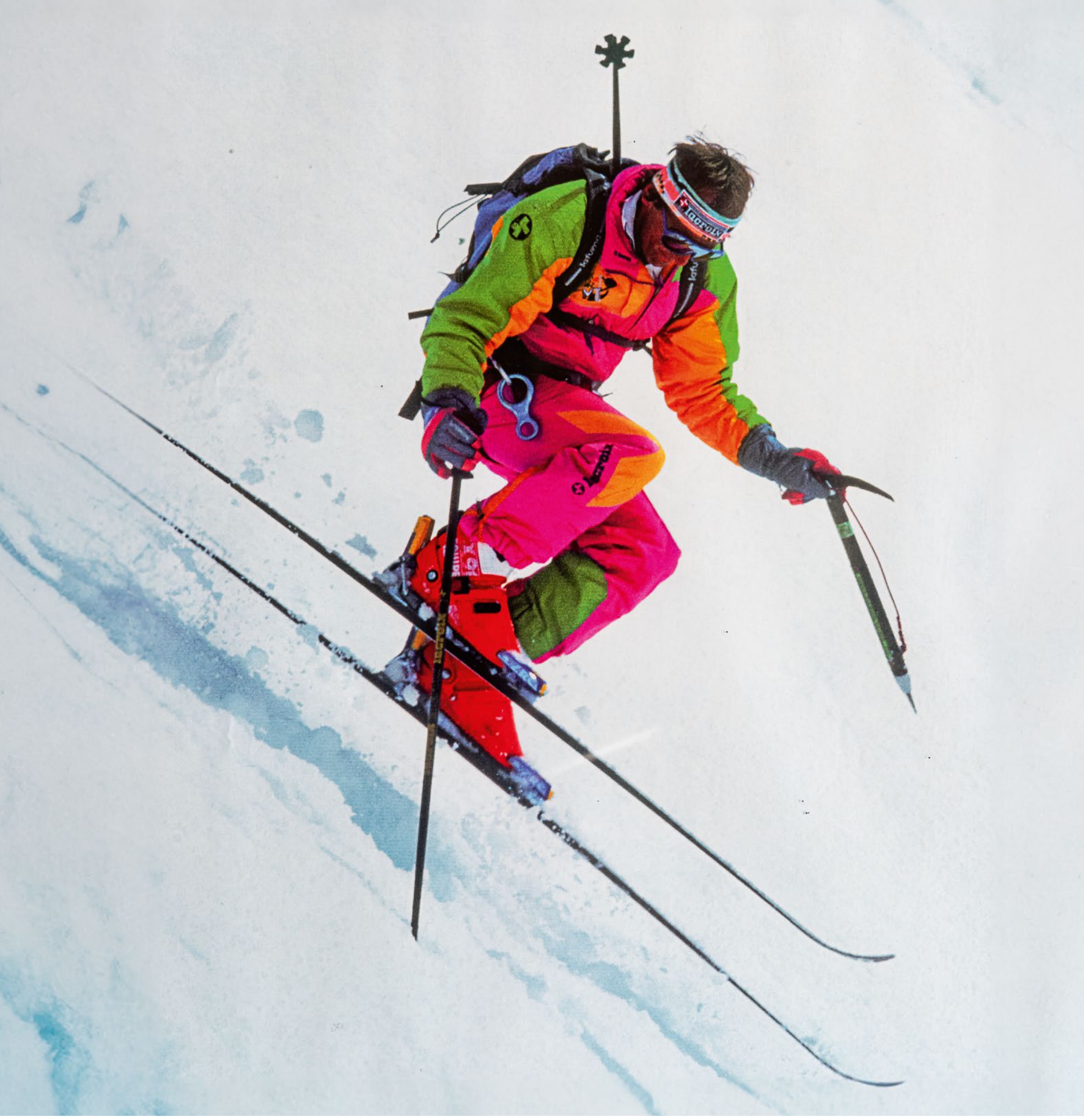
Mountain guide André “Dédé” Anzévui was raised among Arolla’s steep faces. In the 70s, 80s and 90s, he pioneered many classic runs around his home and the Alps. Back then, without proper touring equipment and skis over 6.5 feet, skiing steep lines was another ball game. In 1974, he claimed the first descent of Pigne d’Arolla and Petit Mont Collon (11,663 feet), two of Arolla’s most spectacular peaks. When he skied the north face of the Matterhorn in 1989, Anzévui cemented his reputation in steep skiing. The descent remains unrepeated.
Experience. Today, at 69, the charismatic Anzévui still works as a mountain guide and runs his company with a handful of local guides. Occasionally, he still skis steep lines, but he has slowed down over the years.
Anzévui’s sense of belonging and pride kept him in Arolla. Everything he wanted was right out the door in his local mountains. Eventually, he started the guide company Freeride
In the latter half of the 19th century, the Val d’Héren saw a tourist boom with the first hotels’ construction. Hotel Mont Collon became Arolla’s first hotel in 1862, and tourism has been the village’s primary income ever since. Initially, Arolla was a pioneering resort for alpine climbing and hiking, but with no road access until 1960, winters were long and challenging for locals. When the first ski lifts were built in the mid-60s, winter sports became a new economic boost, and most modern
visitors come for skiing. However, there are concerns within the community that this income isn’t sustainable. The lifts are ancient, and their retirement looms. A proposed development includes a new gondola lift to replace the old ones, and funding for this change will go to the community. While many feel this growth is essential to the valley’s economy, such a significant development could permanently change Arolla’s genuine, authentic atmosphere.
The alternative could be dismantling the lifts, going all-in with ski touring, and preserving the slow pace that Anzévui and others cherish in Arolla.