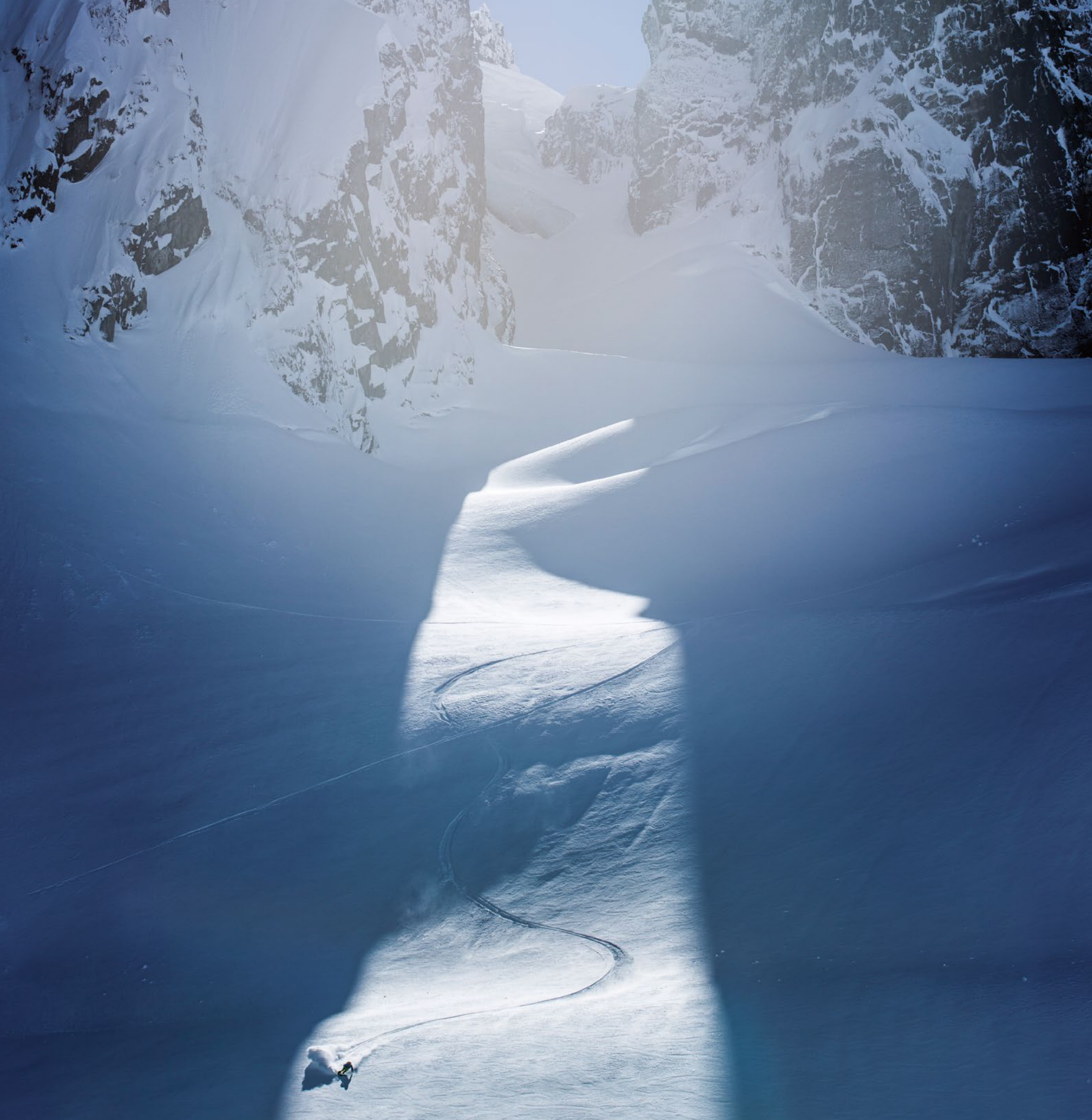
Chile · Cerro Castillo Mountain (Patagonien)
Immersion in Patagonian Lands
Issue 2014 · Words: Timy Theaux · Photos: Jeremy Bernard · 6 min read
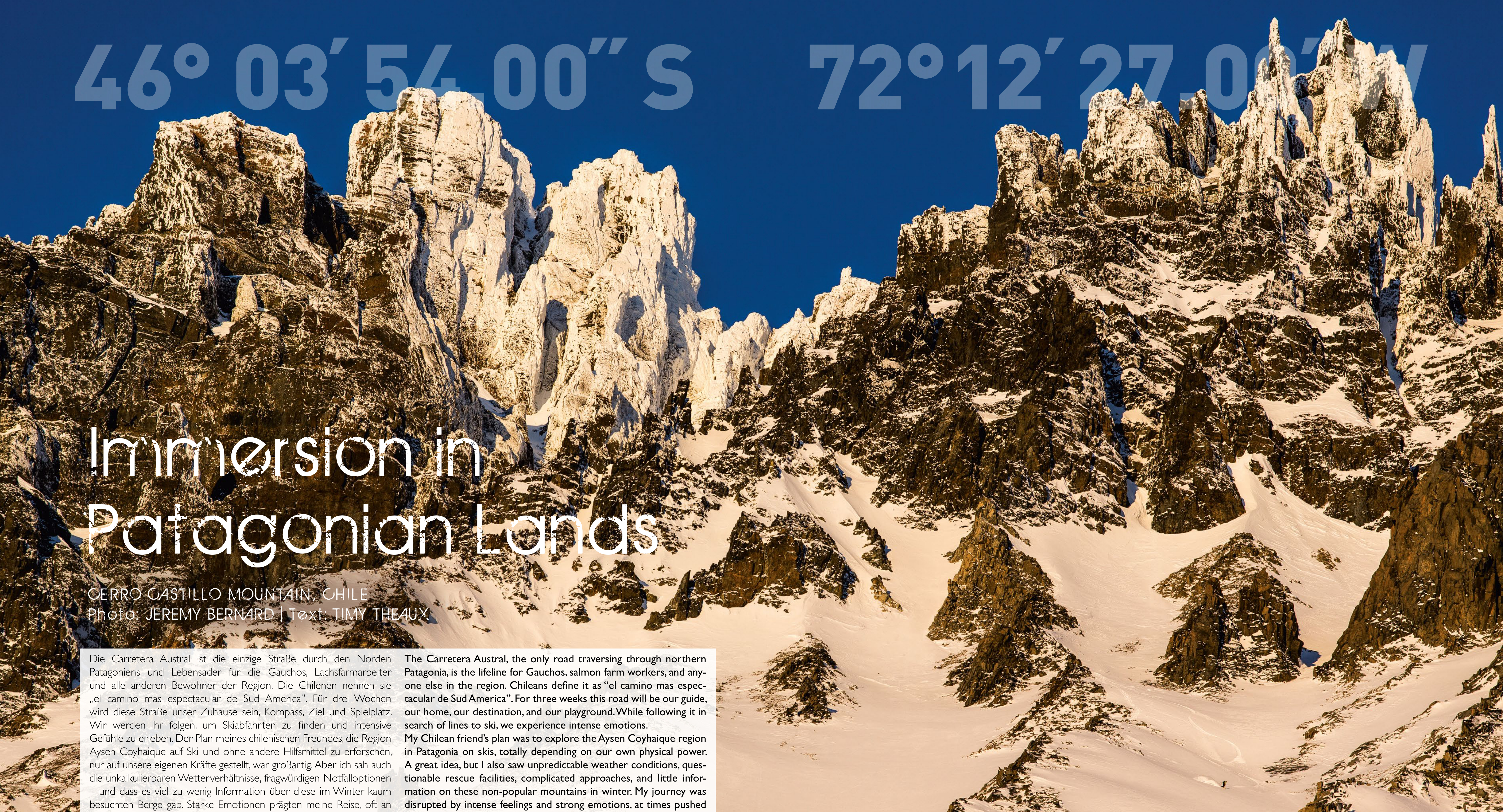
The Carretera Austral, the only road traversing through northern Patagonia, is the lifeline for Gauchos, salmon farm workers, and anyone else in the region. Chileans define it as "el camino mas …
The Carretera Austral, the only road traversing through northern Patagonia, is the lifeline for Gauchos, salmon farm workers, and anyone else in the region. Chileans define it as "el camino mas espectacular de Sud America". For three weeks this road will be our guide, our home, our destination, and our playground. While following it in search of lines to ski, we experience intense emotions. My Chilean friend's plan was to explore the Aysen Coyhaique region in Patagonia on skis, totally depending on our own physical power. A great idea, but I also saw unpredictable weather conditions, questionable rescue facilities, complicated approaches, and little information on these non-popular mountains in winter.
My journey was disrupted by intense feelings and strong emotions, at times pushed to their very limits. Was it coincidence, fate, or maybe the exacerbated effects of this land called Patagonia? I'm not writing this article to answer that question, but to tell our story. Below 2,000 meters it rains non-stop for eight days, followed by two days of strong winds. We are definitely not off to the best start. To tempt fate, but also to kill time and keep hope alive, we decide to go on a road trip heading south. The Carretera Austral is the only means of communication between villages for people who live in these remote areas. A sense of isolation is clearly felt here.
Too many disillusions caused by poor weather and awful conditions abort all our ski plans. Morale is low. We feel helpless and reach the low point of our trip. Then the weather forecast gives us a tiny promise of sun. We return to our initial plan: the mountains of Cerro Castillo. In the distance, the imposing towers are surrounded by a mystical atmosphere. Cerro Castillo is reaching out to us. Everything needs to be ready for tomorrow; we'll be taking off at sunrise. Our horses are a necessity in the vast Patagonian wilderness. The road is long, very long. It runs until the end of the forest at the head of the valley, named "Campamento Neocelandes". 16 kilometers, with 40 kg of gear per person.
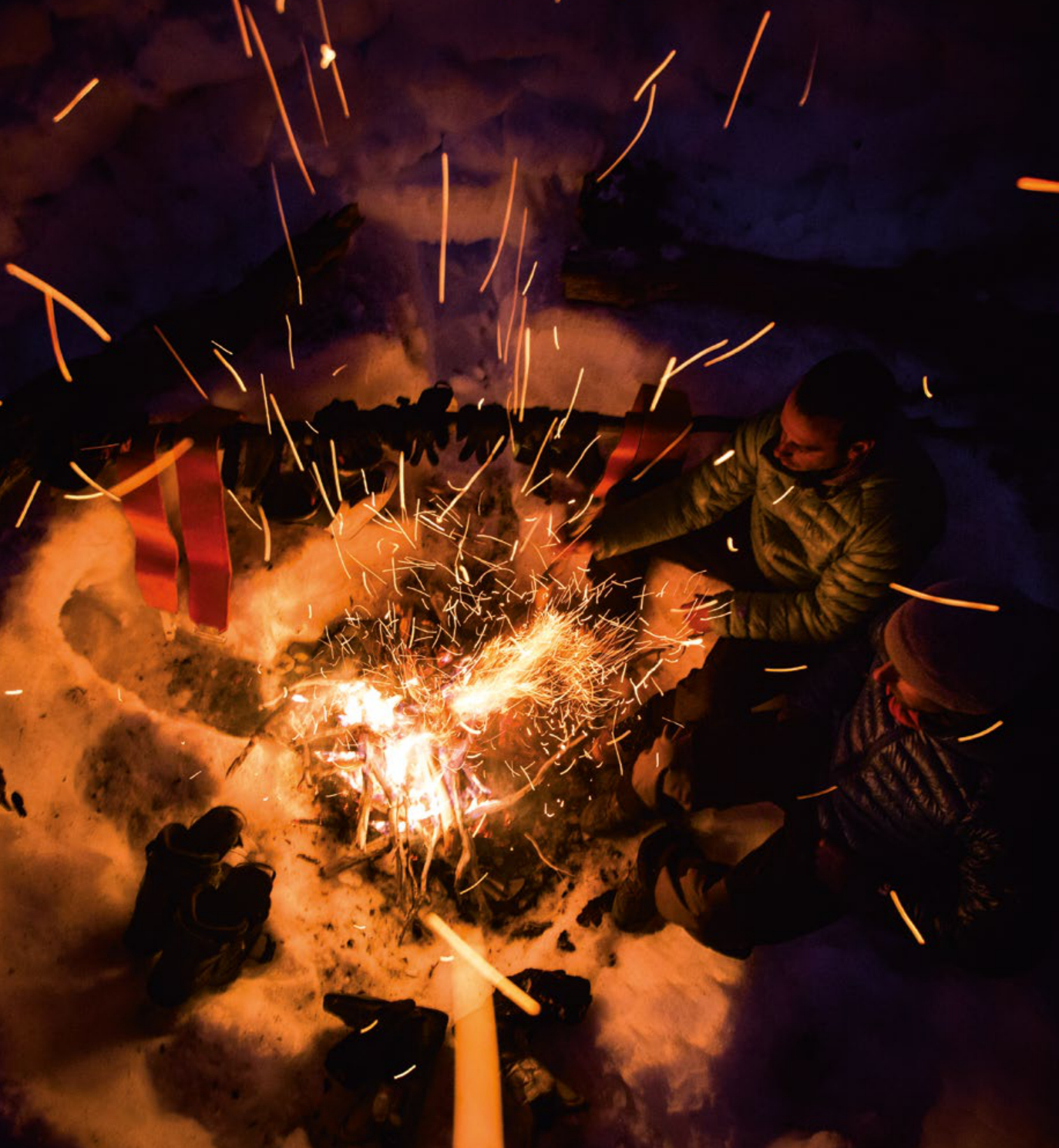
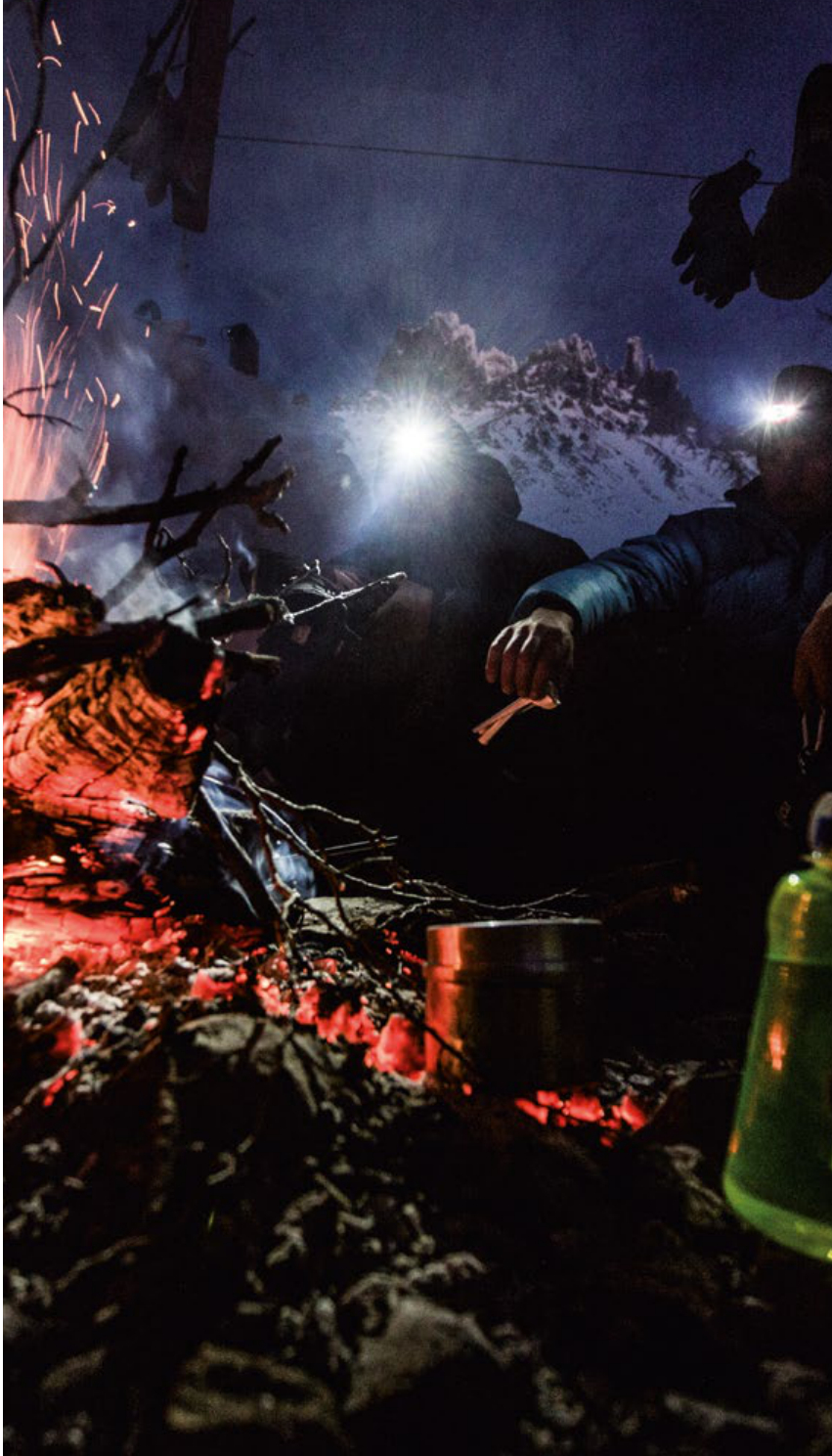
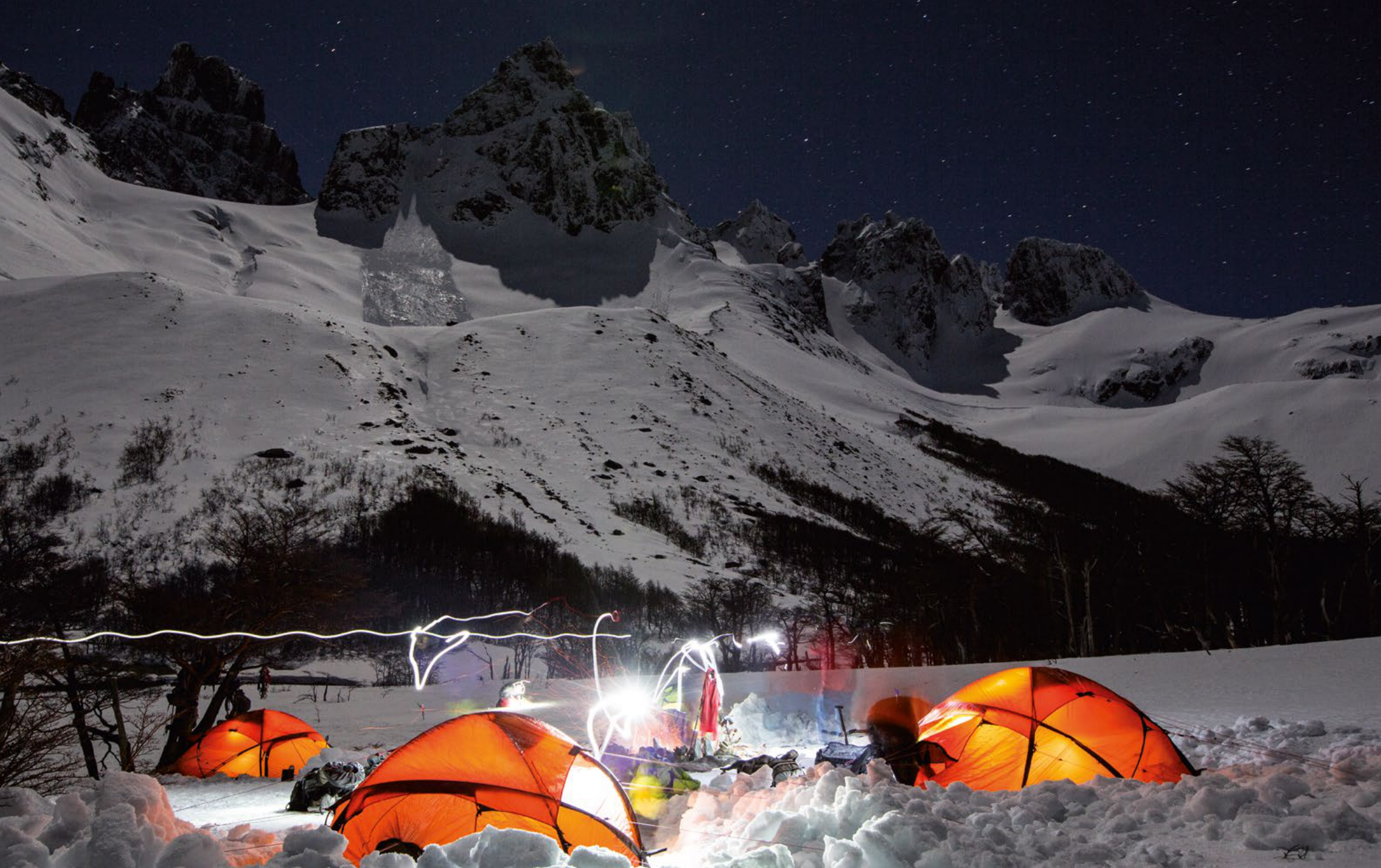
We're not allowed to take the animals into the national reserve and have to stop 300 meters lower than expected. To carry all the equipment ourselves at once seems impossible. We have two options: we could take several trips, or load ourselves like mules and move at snail's pace. In both cases, the route is an obstacle course consisting of river crossings and bushwhacking. It takes six hours to cover 600 meters of elevation. We are wrecked but happy to have completed one of the most physically demanding moments of our lives. It's late and time to set up camp, which is located on the edge of a forest at 1,100 meters altitude. It offers all necessary comfort. There's wood for a fire and a river nearby.
It's surrounded by impressive towers and frosted peaks. Cerro Castillo, the "Castle Mountain", stands high above us like a fortress, taking pride in its name. This place is stunning. An endless amount of lines seems available. For once, the mountain is entirely ours. I'm overcome by a great sense of freedom, it's an overwhelming moment. Fate gives us sunny and windless weather, an exceptional situation for Patagonian standards. Everyday, someone else seems to have their lucky day. The first day is mine. We opt for the southwest of Cerro Castillo's corridors and split into three groups, each with different couloirs. After 300 meters of skinning, the slope becomes very steep. As a precaution I wear my crampons and hold on to my ice axes.
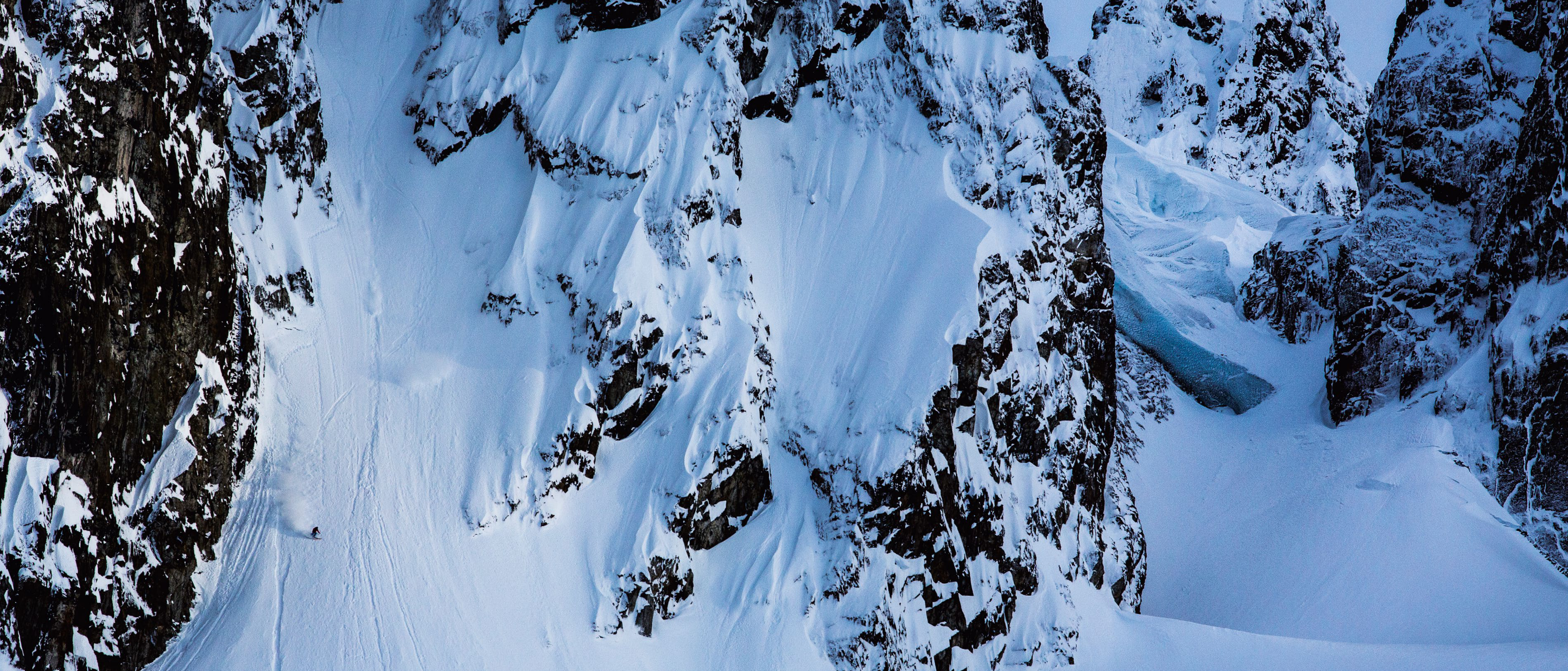
As the snow conditions seem good, I gradually begin to gain confidence, although in the back of my mind lingers suspicion. I'm doing well compared to the Swiss, who announce via radio that they doubt the stability of the snowpack. Halfway up their route, they decide to turn around. I let them know that I will continue. After five hours of climbing, I gain 1,000 meters of altitude. For the first time during this trip I'm on top, overlooking the valley to the south, with the castle and its towers surrounding me. I have no one to share this intense moment with. The sun sets behind the peaks, it's time to drop in. First turns, nothing moves, everything is stable. I let myself go, enjoy every turn. Back at camp, my spirits are high.
The downhill runs as well as the climb have filled my veins with adrenaline, while my skis have caused pure thrills and chills in this breathtaking environment. After days of efforts, struggles and doubt, I finally had a real ski adventure. The next day is for the Swiss. They leave at four in the morning. Their ski boots, after a night in the tent with temperatures below -15 degrees Celsius, feel like solid rock. Navigating 700 vertical meters in total darkness, only with the light of a head torch, and only knowing the terrain from what we saw the day before through our binoculars, isn't easy either. Respect for the Swiss! Especially as the final pitch is an extremely steep wall. Loris starts the descent with a fast and committing run.
His line is beautiful. Nico, having had a very rough night, makes a technical mistake and ruins his line. Back at camp, they tell us it was the steepest they've ever skied. On the last day, it's the Chileans turn. They need to overcome 1,300 meters of elevation, which separate our camp from the top of Cerro Castillo and its main west facing couloir. It will take them seven and a half hours with their crampons and ice axes to finally see the village of Villa Cerro Castillo on the other side of the mountain. Exhausted but still going strong, they ride their couloirs all the way back to camp without break. We watch them meander between the walls at the top and race down to the wide-open valley at the bottom. It looks like a lot of fun.
We feel blessed to be able to live this life in these beautiful mountains. Our return from the mountain is just as tough as our way up. Our thighs burn under the weight of our packs. The reunion with our horses is a happy one, but even on horseback, the trip to the village is a journey. We feel privileged to have been given a chance to compensate the inconsistencies of this voyage. I feel peaceful and content about what we achieved. Of course, each of us has his own story about this trip. Some say this was the hardiest one, others call it the most beautiful and richest experience they ever had. And for me? I think I've never before had the chance to experience so many emotions during one single trip.
I discovered Patagonia as a land of nature and simplicity in a unique setting with potential for incredible skiing, but with extremely difficult approaches. Now it's time to return home, the Chilean national holiday awaits us in the city.