Deutschland · Allgäu Alps
Kristian Rath - Allgäu Alps
Issue 2011 · Words: Petra Rapp · Photos: Martin Fiala · 6 min read
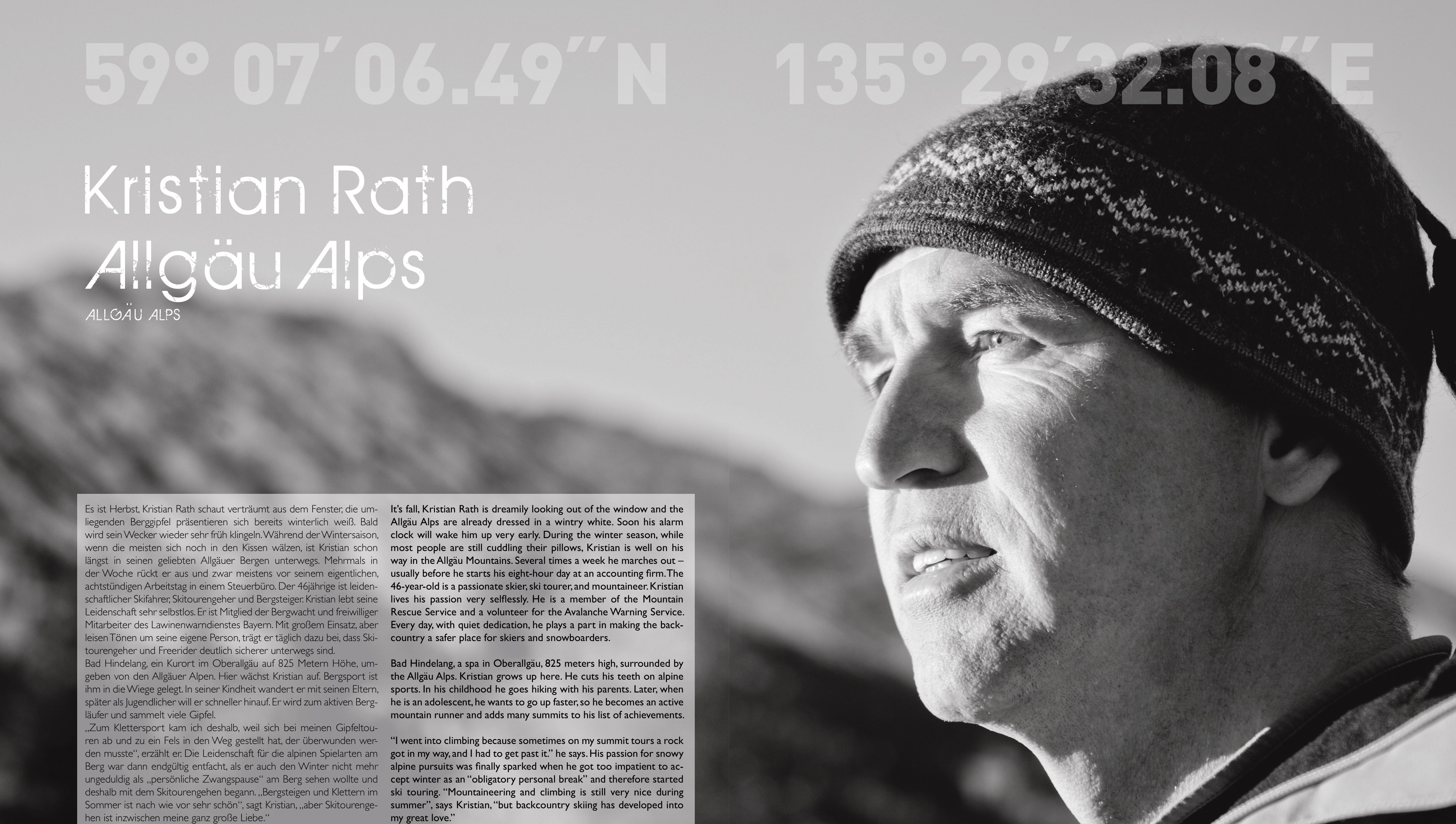
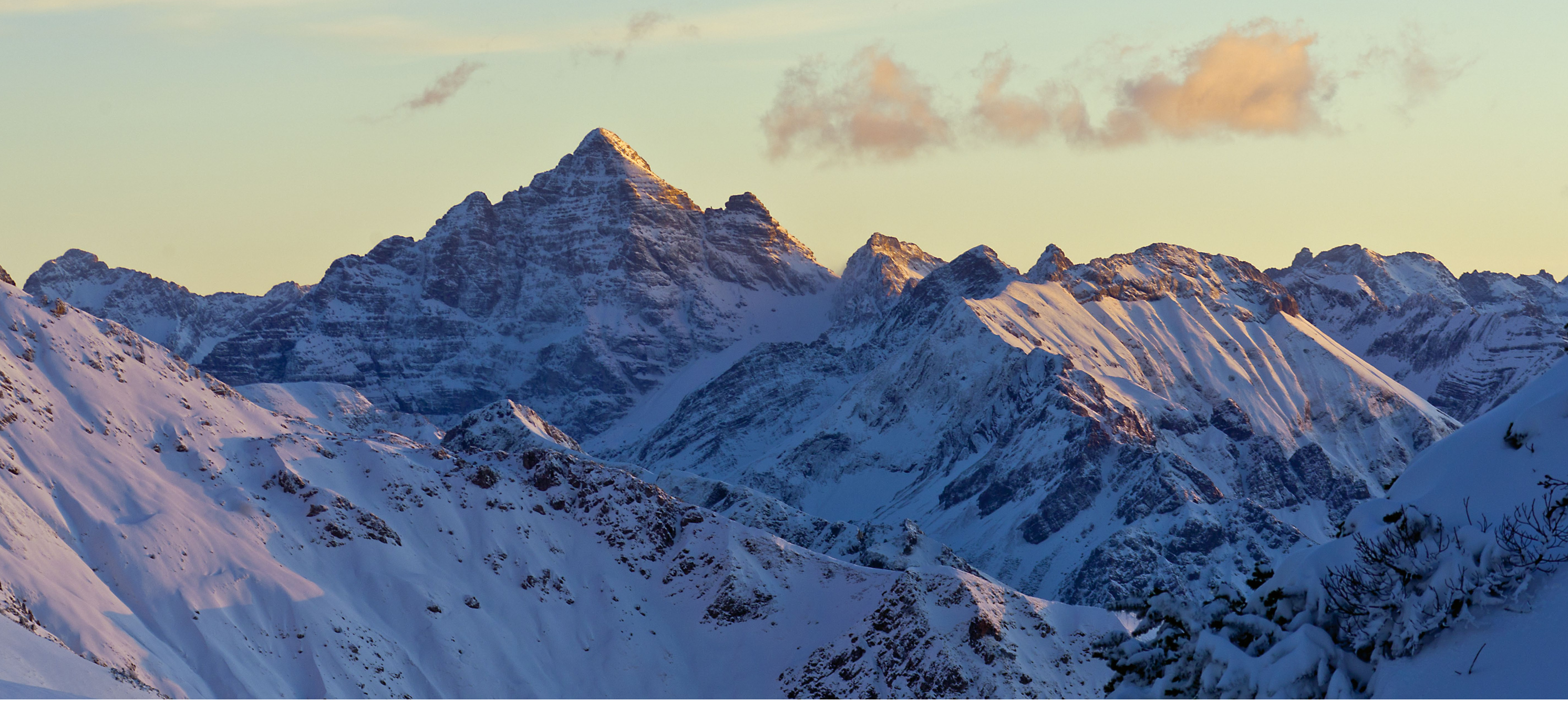
It's fall, Kristian Rath is dreamily looking out of the window and the Allgäu Alps are already dressed in a wintry white. Soon his alarm clock will wake him up very early. During the winter season …
It's fall, Kristian Rath is dreamily looking out of the window and the Allgäu Alps are already dressed in a wintry white. Soon his alarm clock will wake him up very early. During the winter season, while most people are still cuddling their pillows, Kristian is well on his way in the Allgäu Mountains. Several times a week he marches out - usually before he starts his eight-hour day at an accounting firm. The 46-year-old is a passionate skier, ski tourer, and mountaineer. Kristian lives his passion very selflessly. He is a member of the Mountain Rescue Service and a volunteer for the Avalanche Warning Service. Every day, with quiet dedication, he plays a part in making the backcountry a safer place for skiers and snowboarders.
Bad Hindelang, a spa in Oberallgäu, 825 meters high, surrounded by the Allgäu Alps. Kristian grows up here. He cuts his teeth on alpine sports. In his childhood he goes hiking with his parents. Later, when he is an adolescent, he wants to go up faster, so he becomes an active mountain runner and adds many summits to his list of achievements. "I went into climbing because sometimes on my summit tours a rock got in my way, and I had to get past it." he says. His passion for snowy alpine pursuits was finally sparked when he got too impatient to accept winter as an "obligatory personal break" and therefore started ski touring.
"Mountaineering and climbing is still very nice during summer", says Kristian, "but backcountry skiing has developed into my great love." The mountains are his life. It is there that he seeks and experiences challenges, reassurance, relaxation, motion, or simply beautiful experiences in nature with friends. A life away from the mountains? Unimaginable. Kristian is away a lot, also making major tours outside the Allgäu. He has climbed nearly ten six-thousanders in the Andes of Peru and Bolivia, and dreams of even more difficult challenges. A seven-thousander or eight-thousander is enticing, as are challenging ski tours in exotic areas like the Caucasus, Georgia, Northern Norway, or possibly Patagonia.
He wants to go places without much infrastructure, where you can still be on your own and discover new things. He hasn't planned anything big for this winter yet. "I can only leave here in late spring anyway, when I have less work here," he says. He is not referring to his professional work, but to his voluntary commitment for the Avalanche Warning Service Bavaria. If he commits himself to something, he does it properly. Kristian is a person with principles, and deeply rooted at home. He knows the Allgäu Mountains like hardly anyone else, and has made his name as the author of an Allgäu ski tour guide. His apartment is full of alpine specialist literature.
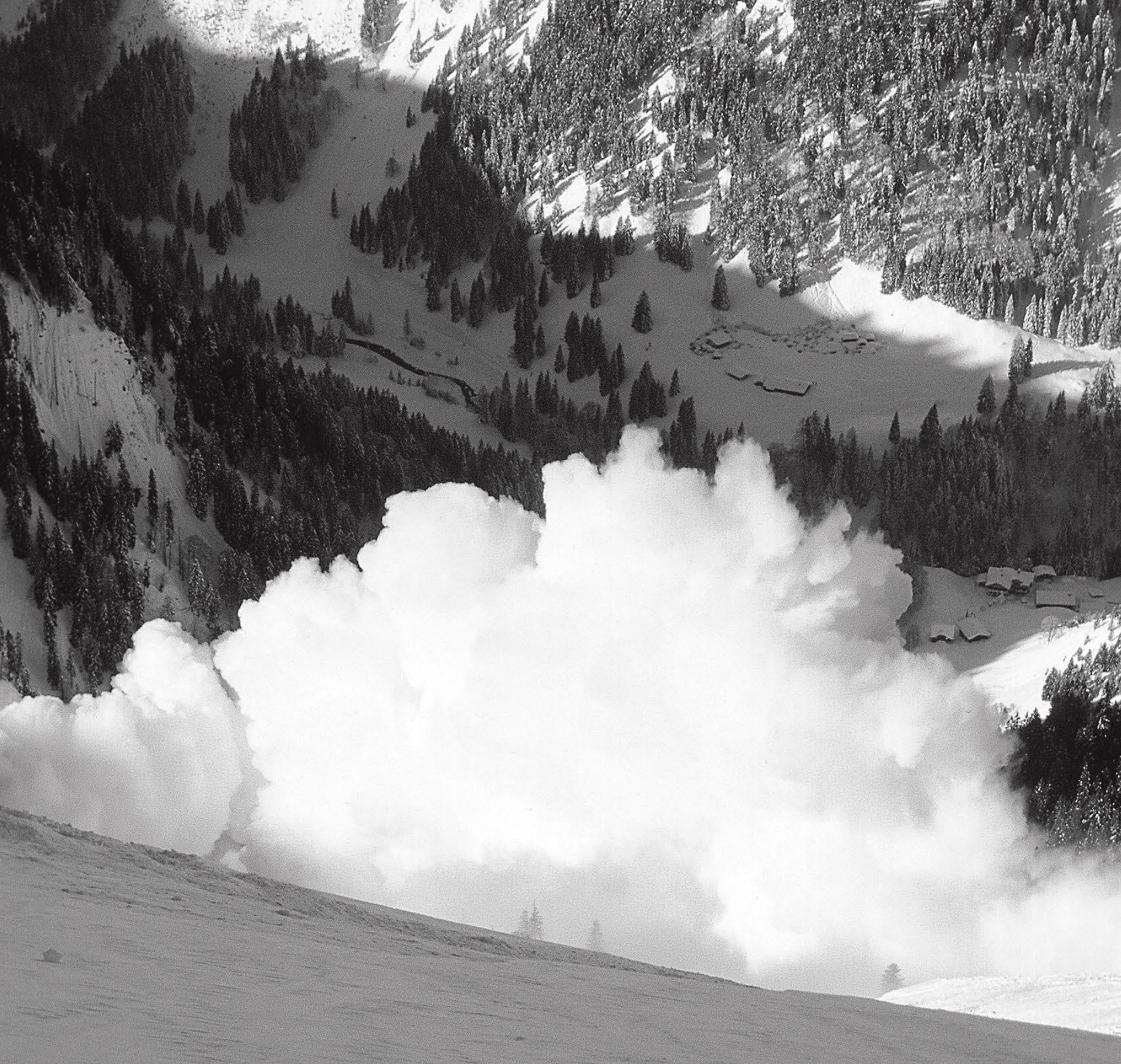
The amazing knowledge he has acquired over the years as an active member of the Mountain Rescue Service and the German Alpine Association predestines him to work for the Avalanche Warning Service, a commitment for which he even puts aside his personal alpine ambitions. In 2002, Kristian had a dramatic experience when he nearly got buried by an avalanche at the Wildengundkopf. He wondered how this could happen with a level two avalanche warning and asked questions. "I discussed the incident intensively, several times with the person responsible at the Avalanche Warning Service Bavaria, and I also voiced my criticism of certain things."
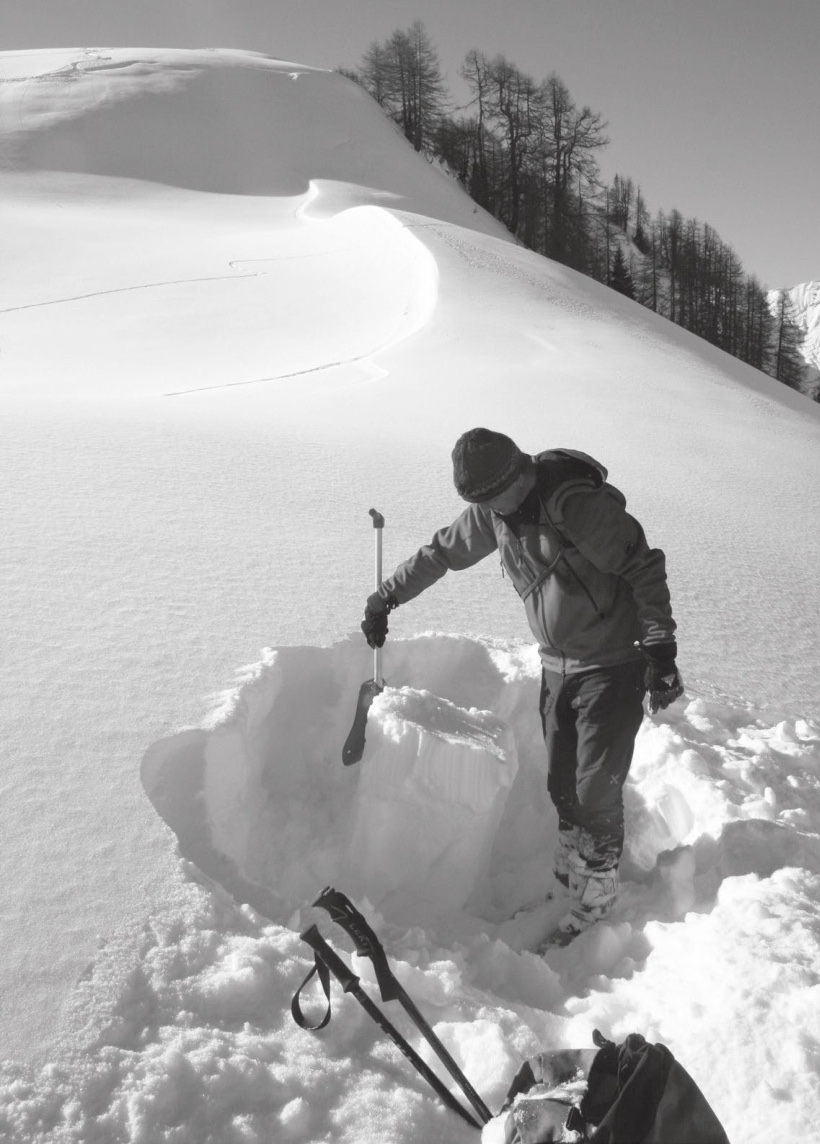
This person quickly realized that Kristian had a lot of background and area knowledge, and hired him as an observer to be out almost daily in winter in the Allgäu Mountains on behalf of the Avalanche Warning Center of the Bavarian State Office. For almost ten years, Kristian has maintained his watch in the mountains, either early in the mornings from about 4am or in the evenings. Usually, he's alone on tour in his designated area, choosing a slope in the open where he can judge the situation without endangering himself. Before that he visits the measuring station and then takes a first-hand look on-site. He digs a snow profile in order to find and analyze critical layers.
He inspects the snow crystals with a magnifying glass and records the data at the desk. Afterwards, he puts all the collected data online along with his assessment of how conditions will develop in the upcoming days. From his data and that of other observers, the center in Munich then creates the avalanche warning for the region. Why does he go to these troubles? "I'd be out on the mountain anyway having fun early in the mornings and in the evenings during the week. Through this work I can give my own recreation a meaningful background, so that others don't get into the same danger I was in at the Wildengundkopf." How does he personally deal with the risks in the mountains now? "I realize that I'm getting more careful and restrained as I age.
The element of snow is always full of surprises. Especially with snow blanket composition, there is almost exclusively superficial knowledge. Somewhere there resides the unknown, and it requires an assessment. There's always residual risk in every slope. But through long years of experience you develop a sense of where it's ok at the moment which ridges, slopes and gullies might be good for skiing in powder snow." What advice does the experienced professional give others who want to get away from the racket of the slopes and make their own lines? "You mustn't look blindly at the danger levels of the avalanche warning when planning a tour.
It's always important to question them critically and you should definitely read the text of the avalanche warning thoroughly. During the course of the tour you then have to apply that information properly, of course! If there's a danger level two but you can't judge the slope, you can still get into the one dangerous spot. Knowledge about avalanches is also a probability calculation, and you always have to be aware of that!" Tools like the snow card and the reduction method are only rough filter methods for Kristian. He always approaches the mountain with a certain level of caution, so that the safety equipment which everybody needs to carry with them and know how to use doesn't even get used.
In his opinion, everybody must follow one absolute rule: say NO, when you're not sure about the assessment of a slope. "I know that's difficult to do when, after a long journey and a difficult ascent, you are confronted with a beautiful, virginal slope full of powder snow. But as I've said, the element of snow remains unpredictable and there will always be unforeseeable avalanches." "The snow line is rising again," Kristian observes attentively, as he looks out of the window again after our chat. "I suppose we'll have to wait for winter a little longer.