Norwegen · Sognefjords (Sogndal)
Sogndal Blues
Issue 2015 · Words: Hanna Finkel · Photos: Jacob Slot · 5 min read
Sogndal, situated at the offshoots of mighty Sognefjord, is known as a true secret spot amongst Scandinavian freeriders. The two ski resorts of the region – Sogndal Skisenter Hodlekve and Sogn …
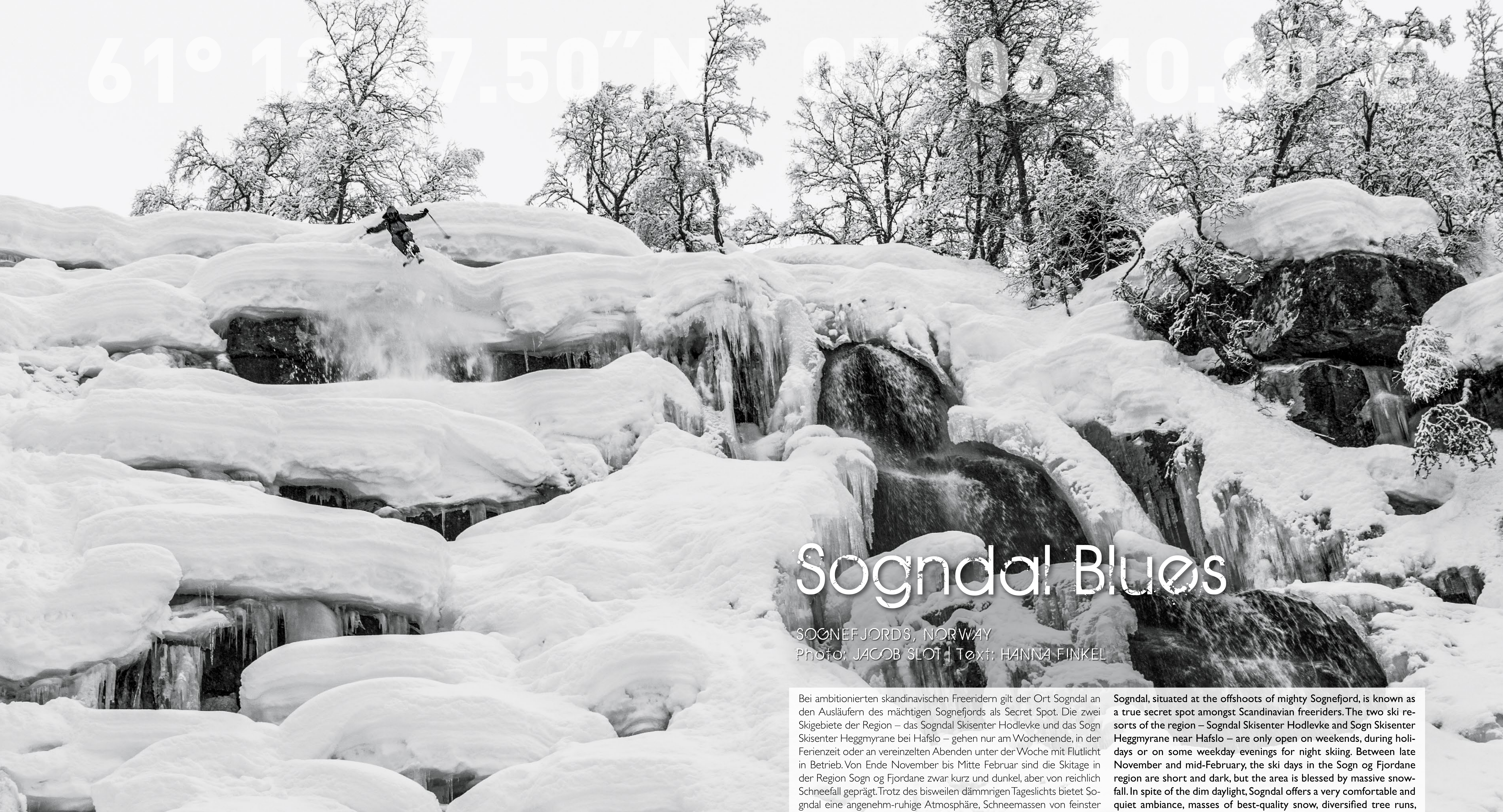
Sogndal, situated at the offshoots of mighty Sognefjord, is known as a true secret spot amongst Scandinavian freeriders. The two ski resorts of the region – Sogndal Skisenter Hodlekve and Sogn Skisenter Heggmyrane near Hafslo – are only open on weekends, during holidays or on some weekday evenings for night skiing. Between late November and mid-February, the ski days in the Sogn og Fjordane region are short and dark, but the area is blessed by massive snowfall. In spite of the dim daylight, Sogndal offers a very comfortable and quiet ambiance, masses of best-quality snow, diversified tree runs, secluded slopes all the way down to the shores of the fjords – and all of this with reasonable avalanche danger. At least until the last day of our trip...
Days skiing start late in the small, Norwegian University town of Sogndal. The heavy engines of the platter lifts need some time to get started on weekends or during holiday periods. Yet many Scandinavian freeriders come to the Sogn og Fjordane region for the fantastic snow conditions. And the reason for the great snow quality is the relatively mild climate combined with the Kjølen mountain range, stretching from the southeast to the northwest. Low-pressure systems dump their load before they hit the Jotunheimen mountains, and precipitation usually changes from rain to snow without the influence of the wind. This situation has extremely positive effects on the regional avalanche danger and the structure of the snowpack.
To this date, the "Varsom Avalanche and Snow Institute" does not really know about any human-triggered avalanche accidents in the region. This should change soon... At the beginning of our trip, the days were hazy and dark, and we escaped into steep pillow lines and challenging tree runs below tree line for better visibility. Unluckily, the forecasts announced rain and rising temperatures for the next days, forcing us to head to higher grounds where we hoped to find better snow conditions. We picked a spot in the north, two hours by car – an exciting and uninhabited glacier region called Jostedalsbreen. We started our tour at the offshoots of Europe's largest mainland glacier.
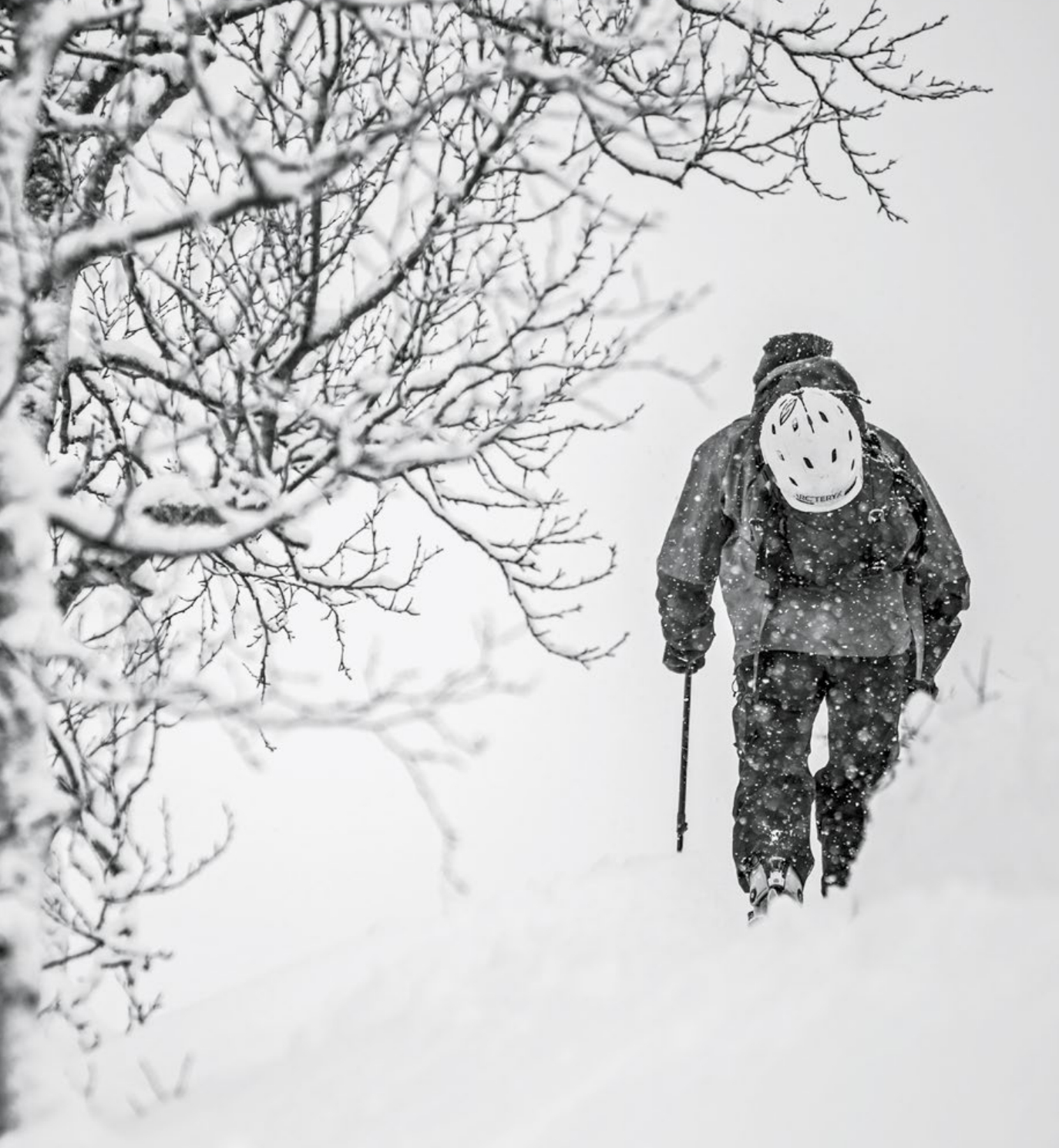
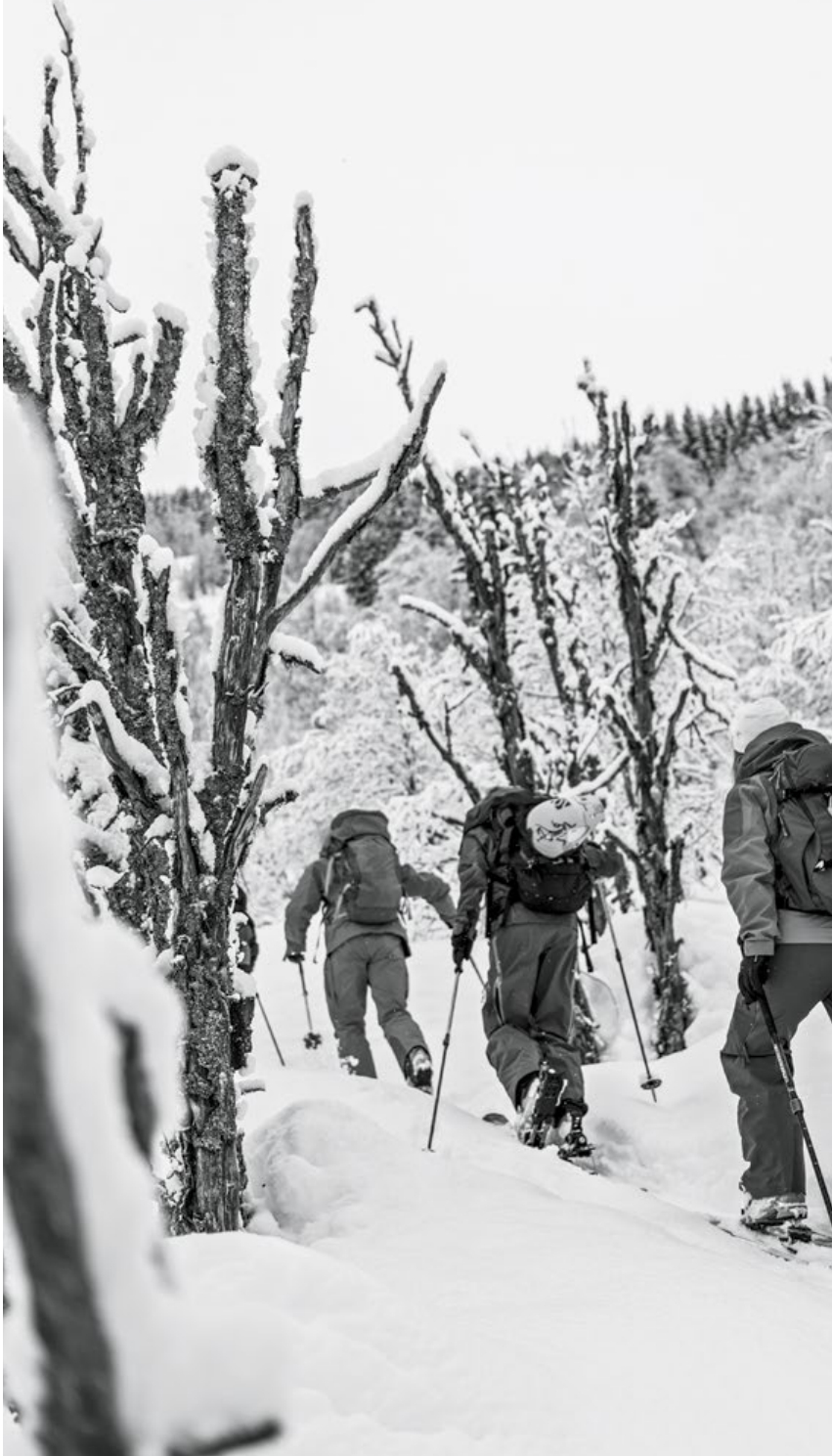
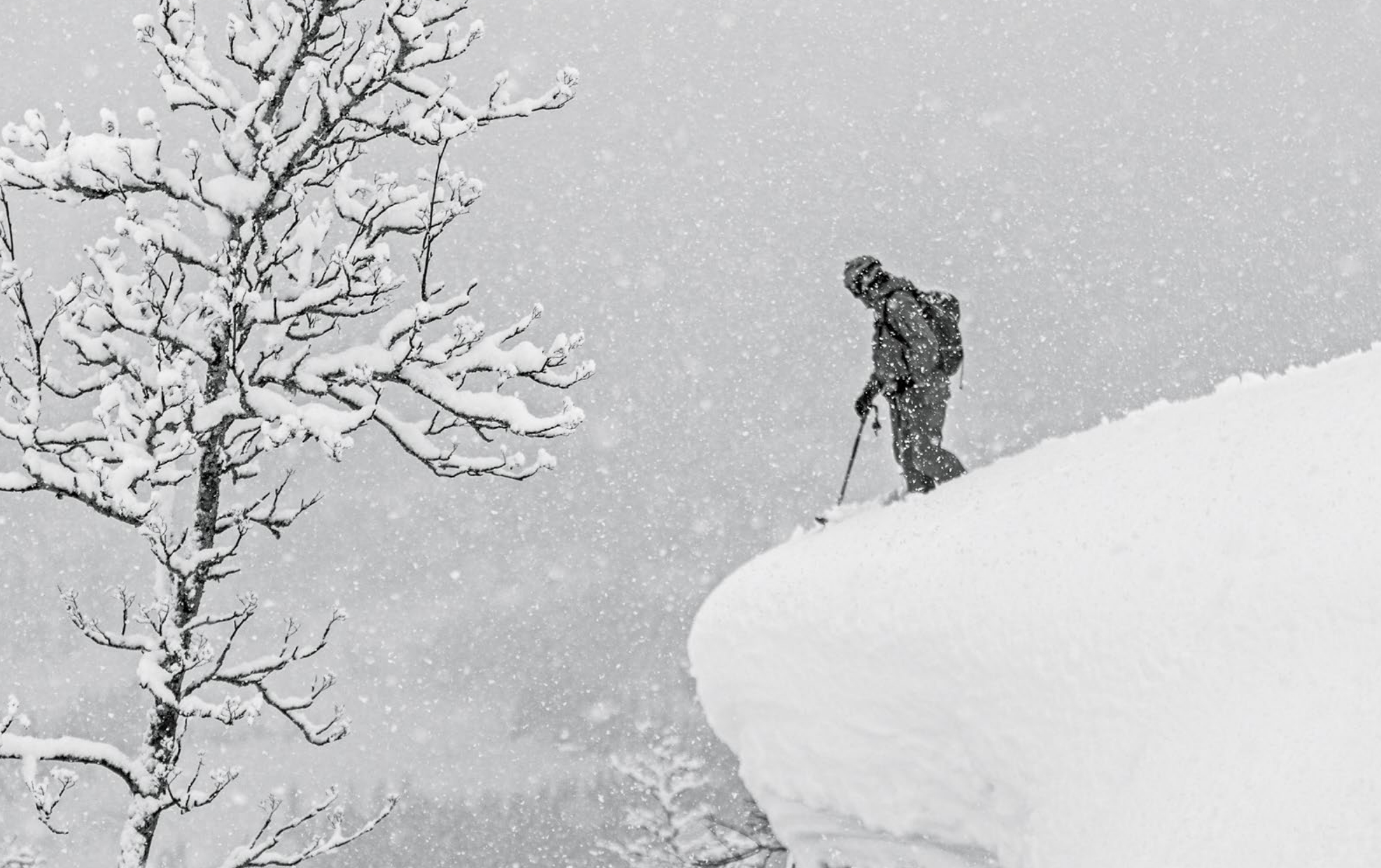
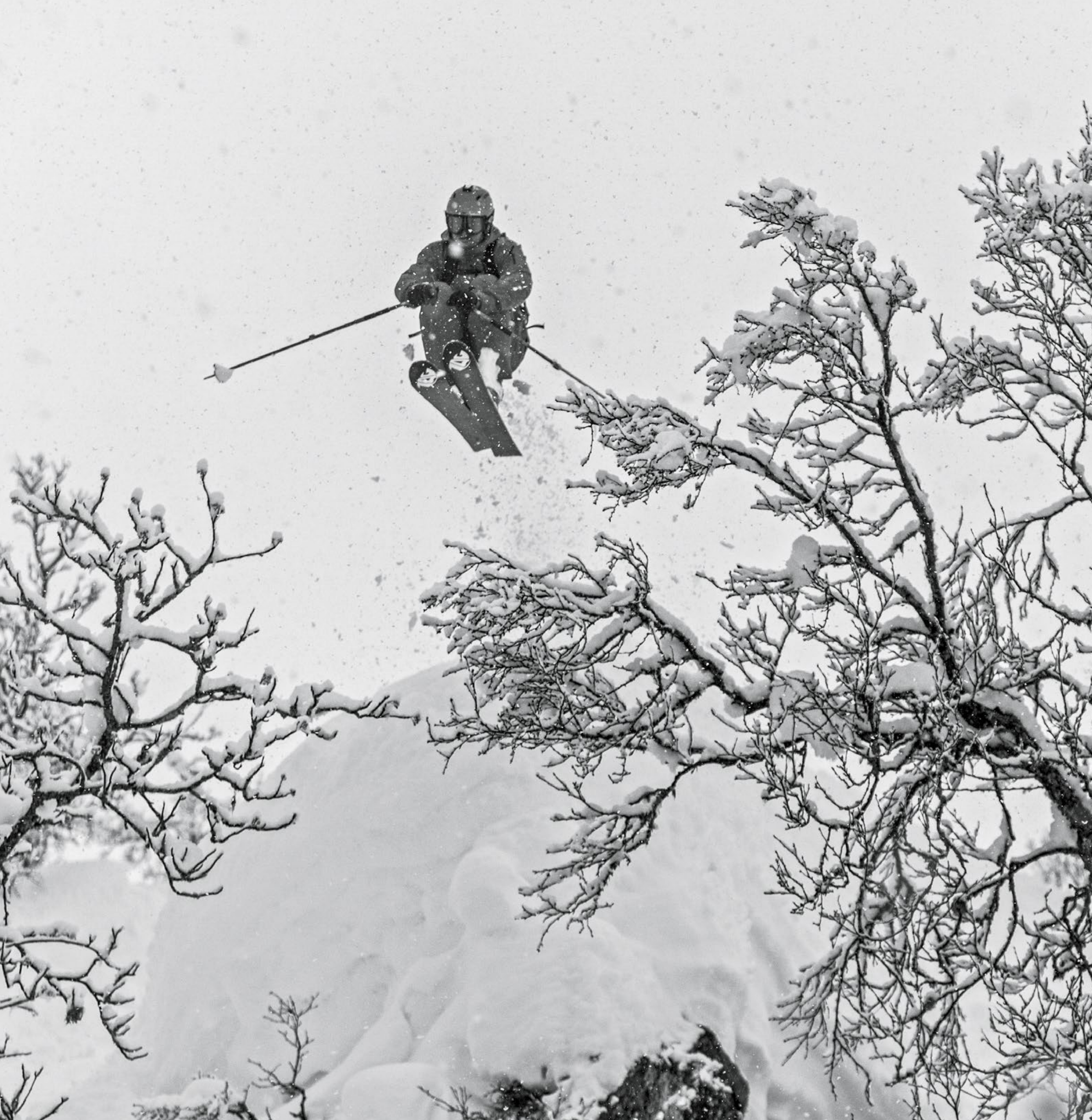
After spending two hours in the car, we found ourselves in a deserted region far away from any civilization. It was raining hard, so we did not waste any time and started hiking. Immediately, we were surrounded by fog. I tried to deal with the dark atmosphere. As for freeriding in Norway, I had expected vast, fantastic views over breathtaking and isolated fjords. Instead, all I experienced was daunting darkness and whiteouts. At some point hiking across the Jostedalsbreen, the rain turned to snow. And a bit later, the snow became fluffy and light. We hiked continuously towards the tree line, which promised better snow conditions, but also reduced visibility. As the clouds turned into impenetrable fog, we decided to turn around and ski back down.
Not wanting to lose my buddies, I tried hard to stay somewhat in the middle. The sovereignty of their turns told me that the terrain seemed rather easy. Whenever they tumbled, I needed to be cautious. After dark and exhilarating days like these, we enjoyed returning to a warm and cozy place – the kind of place we found in Uteplassen, a small village with traditional Norwegian huts, about 20 kilometers north of Sogndal. The center of all life in Uteplassen is the colorful community center. We enjoyed the evening gatherings with homemade soup and great conversations. It felt like home. Finally bluebird! It was the last day of our Norwegian adventure. The morning greeted us with blues skies and sunshine.
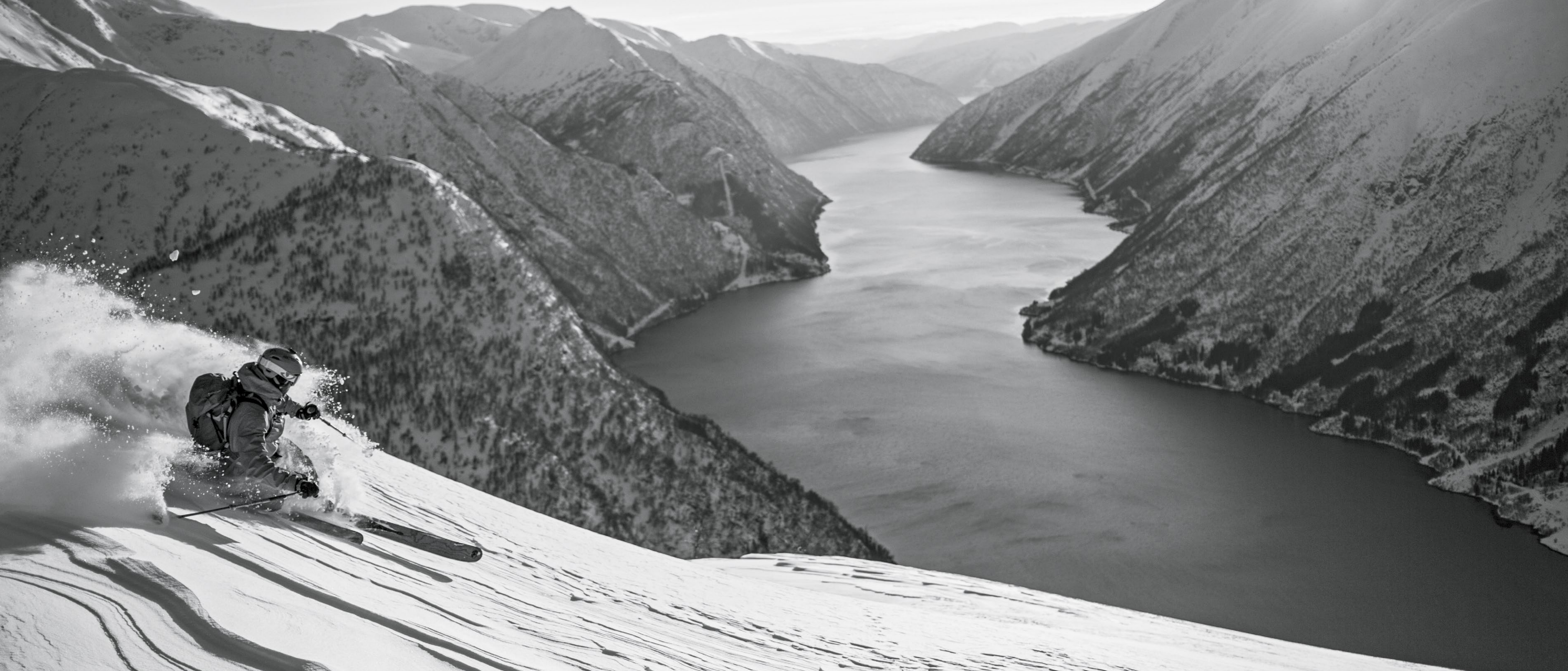
We knew immediately that we would have to find a spot that offered the long awaited fjord views and a line that would end right by the water. In fact, we found this very spot directly behind the Fjærlandstunnelen at a side arm of Jølstravatnet Fjord. We set out on our touring skis from the eastern shore of the fjord and felt good and positive about our plan. Everything seemed perfect: the weather, the snow, the breathtaking landscape, and the vibes. Hiking the last vertical meters of the ascent, a hollow drum-like, thumping sound suddenly interrupted our perfect world. From one second to the next, a first snow slab started sliding a little bit below us, followed by a second and much greater one.
Paralyzed by this unexpected situation, we weren't able to react and simply stared at both avalanches. An instant later, we saw something else and couldn't believe it: a massive break-off line, two meters tall and just beneath our feet. The wind really got its job done. And the sudden rise in temperature took care of the rest. We did not hesitate and called local avalanche services. The person in charge emphasized the particularly dangerous situation below 1,100 meters, but he gave green light to ski down one by one on the now hard snowpack underneath the break-off line. On the sketchy run down through the valley, we were aware of the danger threatening our lives from both sides. We were nervous and made sure to keep great distance between us.
Knowing that every step could be our last, we cautiously moved through this minefield and back to where we came from. Our mood that evening was serious. We tried to talk about our experiences that day. Could we have recognized the danger lurking inside the snow pack any earlier? Were we blinded by the long-awaited sunshine and our desire to finally fulfill our expectations from this backcountry trip?