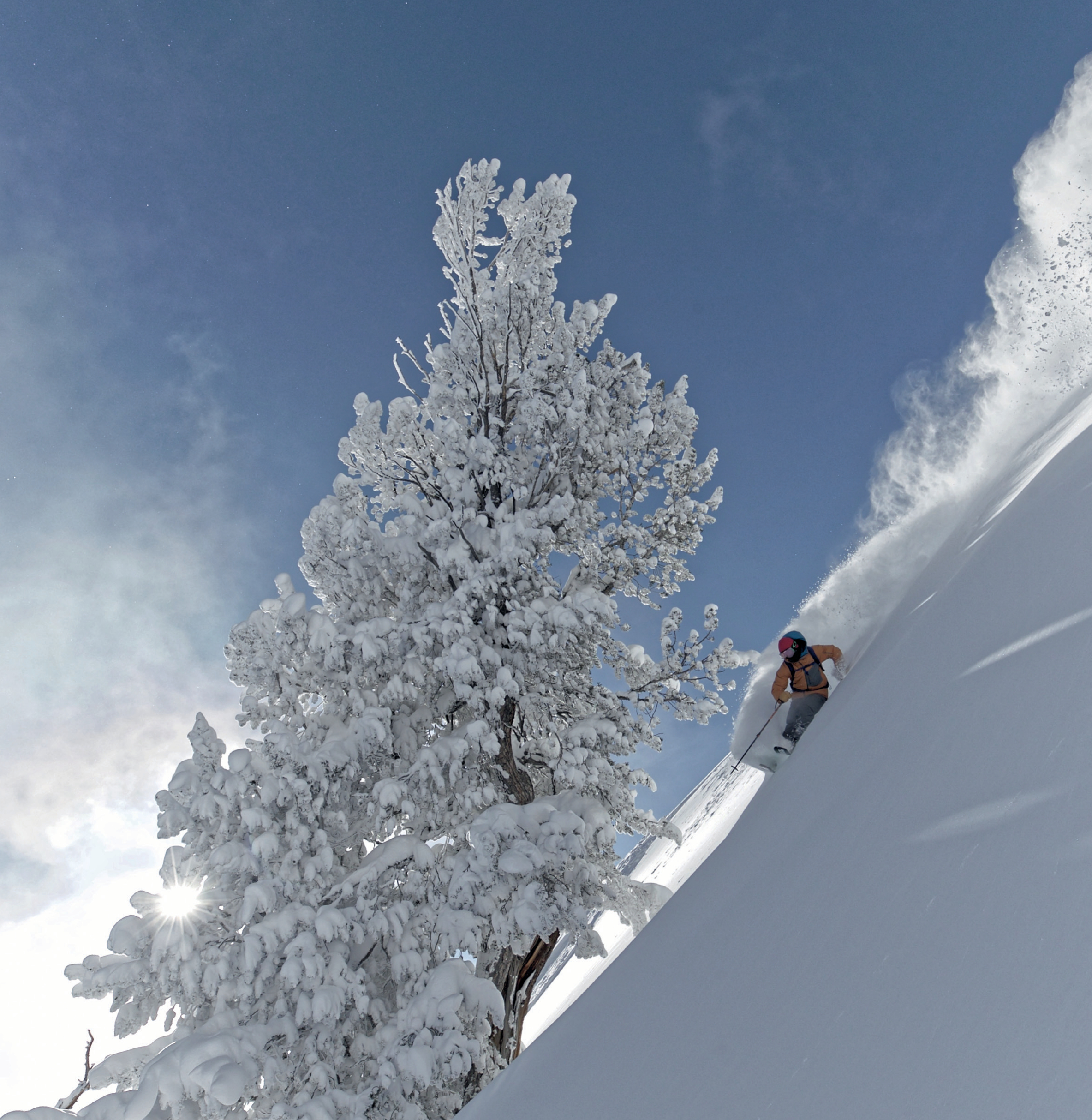
USA · Wasatch Mountains
The Roots of Backcountry Skiing’s DNA
Issue 2019 · Words: Martin Fiala · Photos: Adam Clark · 4 min read
About 10,000-year-old petroglyphs found in the Altai Mountains, situated in the border area between Russia, Mongolia, and China, seem to represent the first images of people on wooden boards in the …
About 10,000-year-old petroglyphs found in the Altai Mountains, situated in the border area between Russia, Mongolia, and China, seem to represent the first images of people on wooden boards in the snow. The wooden slats are believed to have facilitated hunting in winter. The oldest known skis – already very similar to the ones we know today – are about 6,000 years old and come from Scandinavia. The first written records of skiing lead to Slovenian Carniola. Russian immigrants are said to have brought wooden skis there and indulged in wild descents. It was probably the Norwegian telemarkers who used skis in the Scandinavian winters, first for military purposes and later for pleasure. They also exported skiing all over the world.
The DNA of backcountry skiing can thus be traced back far into history and to rock paintings as old as the oldest living Norwegian spruce, the "Old Tjikko" in the Swedish province of Dalarna. Compared to the 80,000-year-old root system "Pando" – a clone colony of the American quaking poplar in the Fishlake National Forest in Utah, USA, which is regarded the oldest and heaviest known living creature on earth – skiing is still almost infantile. The term "ski" comes from Norwegian and means "log," or split wood. The environmentalists' outcry was probably modest 10,000 years ago when the tree that was used to make the first ski was cut.
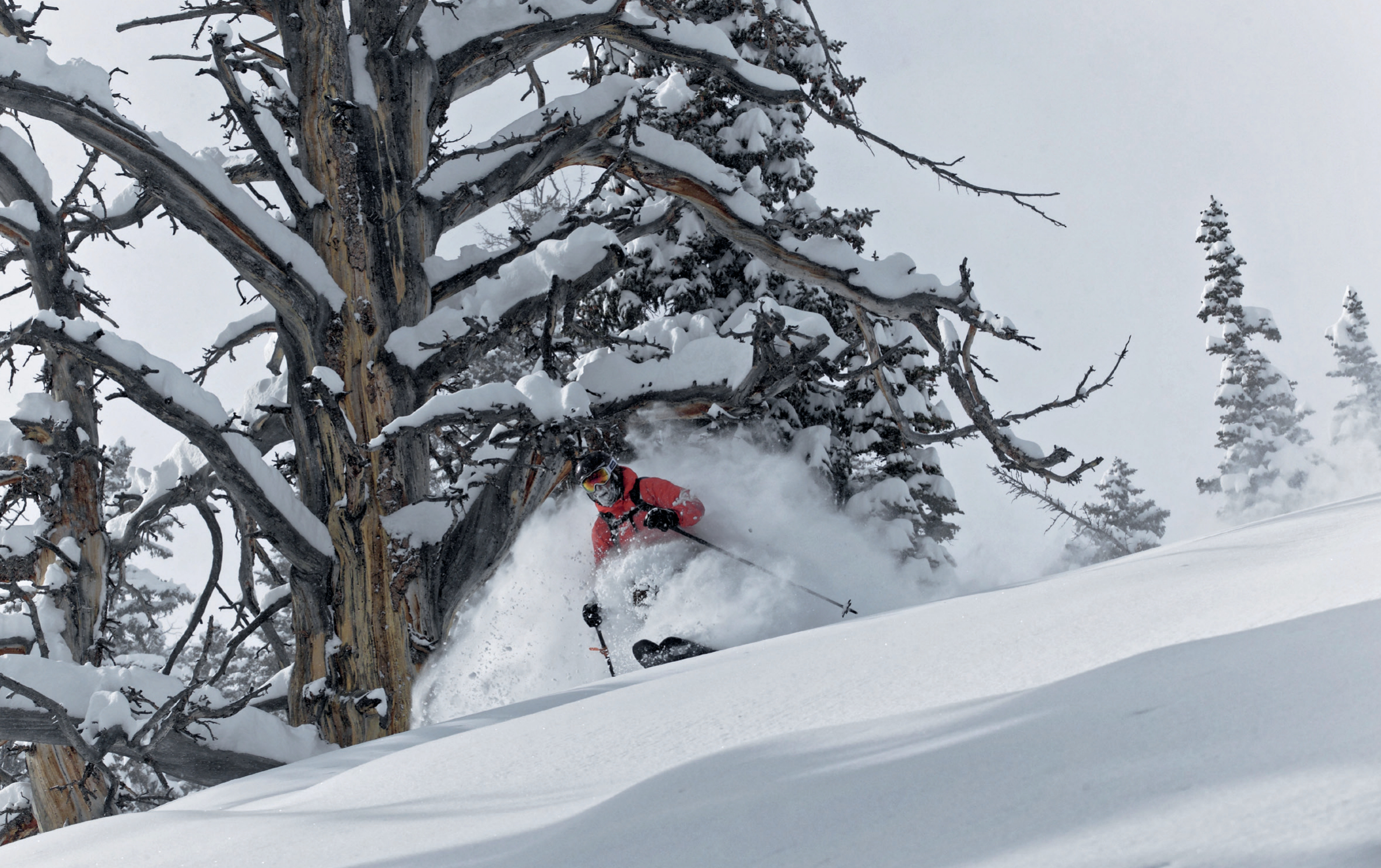
For centuries until the invention of the ski lift, the pleasure of downhill skiing was preceded by the sweat-inducing ascent with muscle power alone following the well-known motto "earn your turns". The first hydro-powered ski lift was opened in the Arlberg region as late as in 1908. With the advancing industrialization, skiing became a real boom and finally a way of leisure activities suitable for the masses with great economic importance and elaborate added value. Nowadays, entire regions live with and depend on skiing. Modern high-performance lifts carry thousands of skiers to the summits every day, where they carve on perfectly groomed slopes, jib in the parks, and shred through the deep snow.
Countless masses of skiers are thus able to enjoy the fast and simple pleasure of the white intoxication and increasingly also the powerful intoxication brought to them by the après-ski industry and organized entertainment machinery. Ski racing developed in analogy to the competing social development of the last century. The best skiers compete in highly endowed and media-staged competitions. Winter sports events are even taking place in large cities or halls tempered to winter conditions. The best skiers compete in the sense of "faster, further, higher," squeezed into a well-planned set of rules within the framework of media happenings.
The best of the best are identified, crowned, and profiled with effective advertising, their marketable image established, and then turned into money. The principle of evolution and DNA mutations has been recognized since the dawn of Darwin and is firmly anchored in all areas of life, including skiing. It will not be possible to reverse the development of skiing; diversity is a logical step in its evolution. Fortunately, more and more skiers are finding their way back to the roots and origins of winter sports. Backcountry skiing is currently experiencing a renaissance. The motives are multi-layered.
Some seek the solitude and tranquility of the snow-covered mountains; others appreciate the possibility of making decisions off the beaten track, without prescribed regimentation. There are the ambitious first ascenders, the adventurous explorers, the alpinists, the speed freaks or the chilled cruisers – the backcountry is colorfully diversified and offers enough space for all facets. Modern equipment facilitates access to virgin powder slopes and thus back to the original DNA of skiing. However, it is due in part to the real dangers of untamed nature that the fast-food mentality of the mass ski resorts has not yet completely swamped the solitude of the snow-covered mountains.
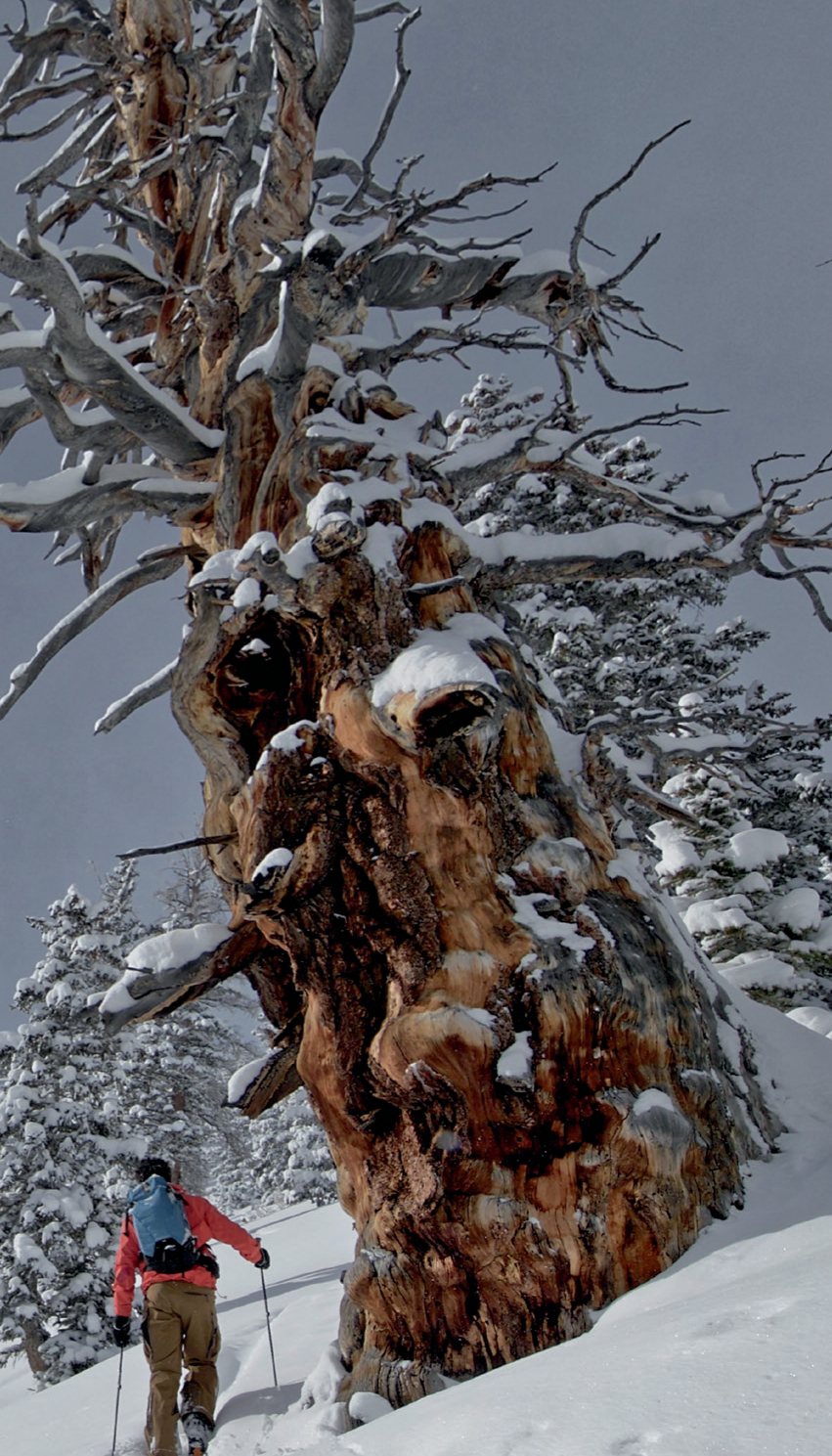
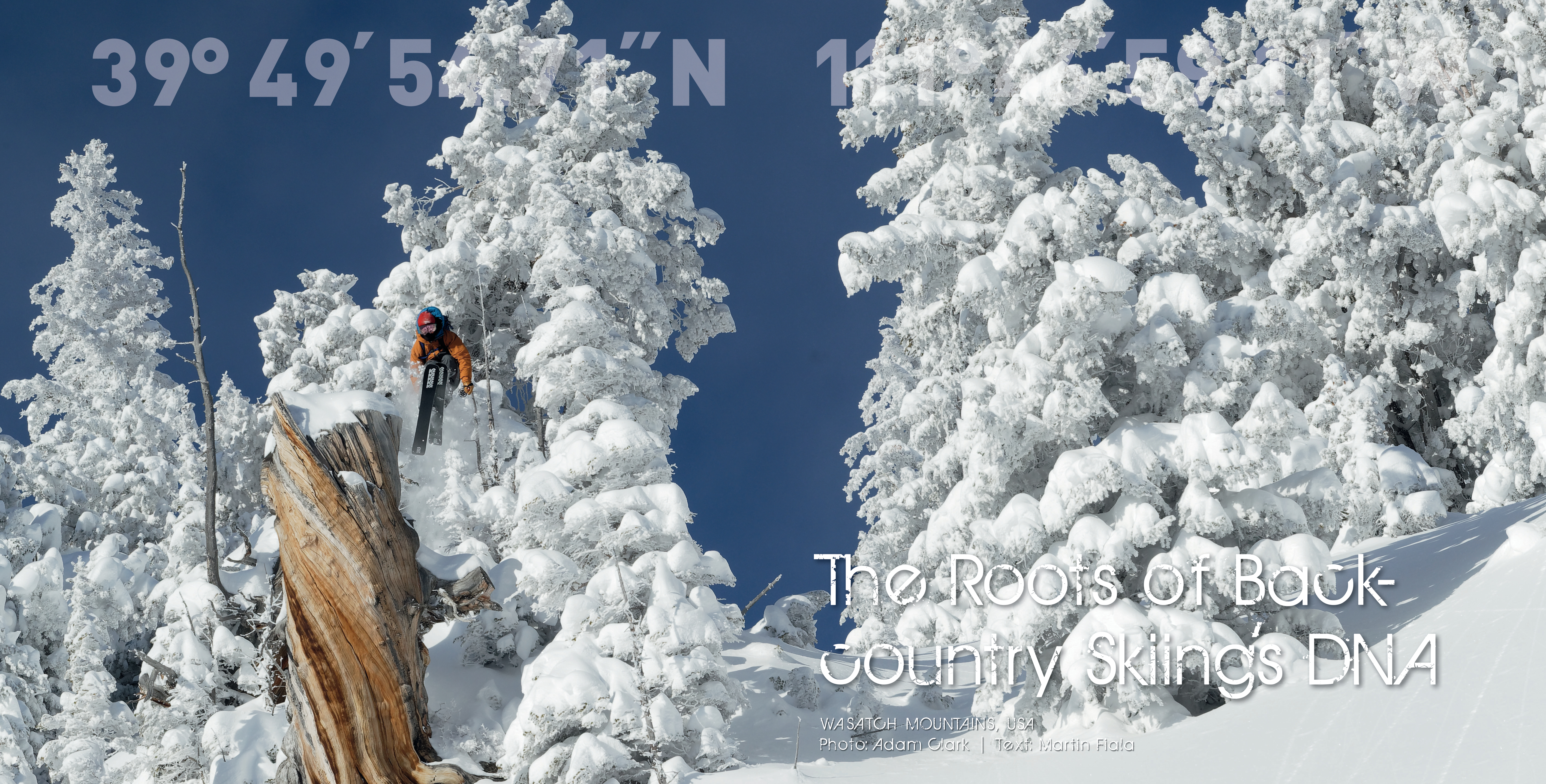
In addition to knowledge and experience, dealing with the dangers in the backcountry requires a healthy dose of respect and esteem for nature and its very own laws. In case of emergency, you are dependent on the help of your friends, a hectic competitive mentality can, under certain circumstances, be "eliminated" quite quickly in an evolutionary sense. It does no harm to look around humbly and alert when ski touring and to take a bow from time to time. During ascents and descents, you will regularly encounter trees that are centuries old. Some only see the wood as a material; others fortunately see the roots and identity of the backcountry skiing DNA.
If they could, the trees would tell stories that made many of our bloated egos pale in embarrassment. They have experienced colder days than us, more snowfall, stronger winds, more violent storms, sunshine, and rain. They have been there for centuries. They experience every day what many of us seek in the solitude of the mountains. It is nice to bow before them, to be able to visit them in their natural home. May they grow deeper roots and remind us.